Article Overview: This guide helps procurement managers, sourcing teams, and project engineers prepare for evaluating suppliers of pneumatic actuator solenoid valve solutions. It covers critical specifications, supplier quality checks, RFQ preparation steps, and common integration mistakes to reduce procurement risk.
Why Choose a Pneumatic Actuator Solenoid Valve for Valve Automation?
Industrial valve automation often relies on a pneumatic actuator solenoid valve to convert electrical control signals into pneumatic motion. This combination is widely used in chemical, petroleum, power, and water treatment plants because it offers fail-safe operation, high cycling speed, and suitability for hazardous environments. For buyers, understanding the benefits—such as simplified wiring via NAMUR mounting and remote on/off control—helps justify the investment over electric alternatives. However, procurement success depends on selecting components that match the valve torque, process media, and ambient conditions.
When sourcing, always verify that the solenoid valve and actuator are from compatible product families to avoid mismatched air ports, voltage, or pressure ratings. A well-matched pneumatic actuator solenoid valve system ensures reliable startup and minimal downtime.
Key Specifications to Validate Before Issuing an RFQ
Before contacting suppliers, compile a requirements list covering the following technical parameters. Missing any of these can lead to costly change orders or performance issues.
- Actuator torque output (break, run, and end torque) at minimum supply pressure
- Solenoid valve power rating (voltage, coil resistance, power consumption)
- Port size and thread type (NAMUR interface or ISO mounting pattern)
- Ambient temperature range and enclosure rating (IP65, IP67, etc.)
- Fail-safe position for spring return units—normally closed (NC) or normally open (NO)
- Response time and cycle life expectation
Include these in your RFQ template so suppliers provide consistent data sheets for comparison.
Step 1: Define Operating Conditions
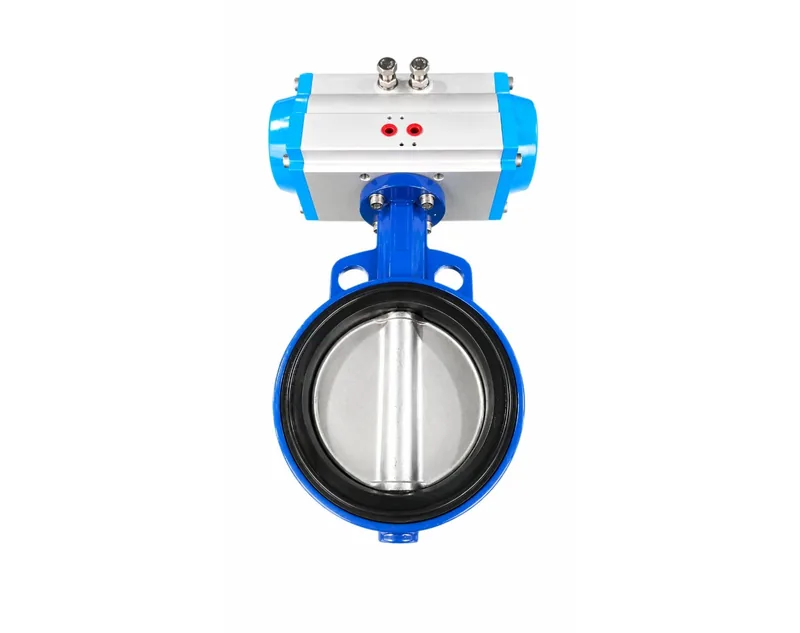
List process fluid, pressure, temperature, and required flow coefficient (Cv). Determine whether the valve is rising stem or quarter-turn—this dictates actuator type (linear vs. rotary). For quarter-turn applications, a rack-and-pinion pneumatic actuator solenoid valve is common.
Step 2: Match Actuator to Valve
Calculate actuator torque at 80% of supply pressure margin. Include safety factors: 1.5× for clean fluids, 2× for dirty or high-friction applications. Verify supplier’s test procedure matches your expected cycle frequency.
How to Evaluate Supplier Quality and Compliance?
Procurement teams should audit potential suppliers on manufacturing standards, material traceability, and testing capability. Look for ISO 9001 certification and evidence of hydrostatic or cycle testing. For the pneumatic actuator solenoid valve itself, demand documentation of IP ratings and ATEX/IECEx certification if used in explosive atmospheres.
Request a sample or visit the factory if possible. Check for consistent casting quality, corrosion-resistant coatings, and solenoid coil encapsulation. Ask about spare parts availability and lead times—long delays can offset any initial price advantage.
Supplier Comparison: Distributor vs. OEM
Option A: OEM manufacturer (e.g., JIMAI) offers custom mounting options, full quality traceability, and direct technical support.
Option B: Distributor provides faster delivery on standard products but limited customization and warranty support.
Buyer note: For large projects with specific performance requirements, direct OEM engagement often reduces long-term risk despite higher upfront cost.
Procurement Checklist: Critical Checkpoints
Use this checklist when reviewing supplier proposals for a pneumatic actuator solenoid valve system. Mark each item complete before issuing a purchase order.
- Confirm actuator and solenoid valve are certified for your zone (ATEX, UL, etc.).
- Verify solenoid coil voltage matches plant control system (24 V DC, 110 V AC, 230 V AC).
- Check ingress protection rating for washdown or outdoor installation.
- Request wiring diagram and NAMUR interface dimension drawing.
- Ask about minimum operating pressure and pilot air consumption.
- Review warranty period and return policy.
- Obtain lead time commitments and shipping terms.
Document all responses in a comparison table to standardize evaluation.
Common Pitfalls in Solenoid Valve and Actuator Pairing
Even experienced buyers can face issues when integrating a pneumatic actuator solenoid valve. Here are several mistakes to avoid:
- Incorrect fail-safe direction: Using a double-acting actuator with a single-acting solenoid can result in loss of position on air failure.
- Oversized actuator: Torque margins above 200% cause valve seat damage and higher air consumption.
- Mismatched solenoid port size: Small pilot ports on the solenoid valve delay actuator response time.
- Ignoring supply pressure dynamics: Air pressure drops across the solenoid and fittings reduce actuator torque—worst-case scenario is at lower plant pressure.
- Inadequate electrical surge protection: Solenoid coils can fail from voltage spikes; specify built-in suppression or add external suppressor.
Contact a qualified supplier like JIMAI's pneumatic actuator solenoid valve team early in the design phase to validate your selection. They can also share production quality data to support your supplier evaluation.
FAQ
What is the difference between single-acting and double-acting pneumatic actuator solenoid valves?
Single-acting (spring return) uses a solenoid to pressurize the actuator for one direction and a spring for the opposite; it is fail-safe. Double-acting requires two solenoid valves or a single four-way valve to extend and retract; it holds position but fails in place. Choose based on safety requirements.
How do I choose the correct solenoid voltage for a pneumatic actuator valve?
Match the solenoid coil voltage to your control system output (commonly 24 V DC for PLC-based systems, or 110/230 V AC for discrete switches). Include voltage tolerance (±10%) and consider power consumption for large control panels.
Can I mount a standard solenoid valve on any pneumatic actuator?
Not all solenoids comply with NAMUR (VDI/VDE 3845) or ISO 5211 mounting standards. Check the actuator's interface pattern (e.g., 30x80 NAMUR pad) before ordering the solenoid valve. Many suppliers offer pre-assembled pneumatic actuator solenoid valve kits.
What maintenance is required for a pneumatic actuator solenoid valve system?
Periodically check air filter dryer, solenoid coil resistance, and actuator seals. Clean pilot air passages and lubricate moving parts per manufacturer schedule. Replace solenoid plunger after ~1 million cycles or when response time increases.
Conclusion
Procuring a reliable pneumatic actuator solenoid valve requires careful specification definition, supplier qualification, and validation of integration details. By using the RFQ checklist and avoiding common pitfalls described above, procurement teams can reduce implementation risk and achieve long-term value. Engage with experienced OEM manufacturers like those with proven pneumatic actuator solenoid valve expertise to ensure your project meets performance, safety, and budget goals.