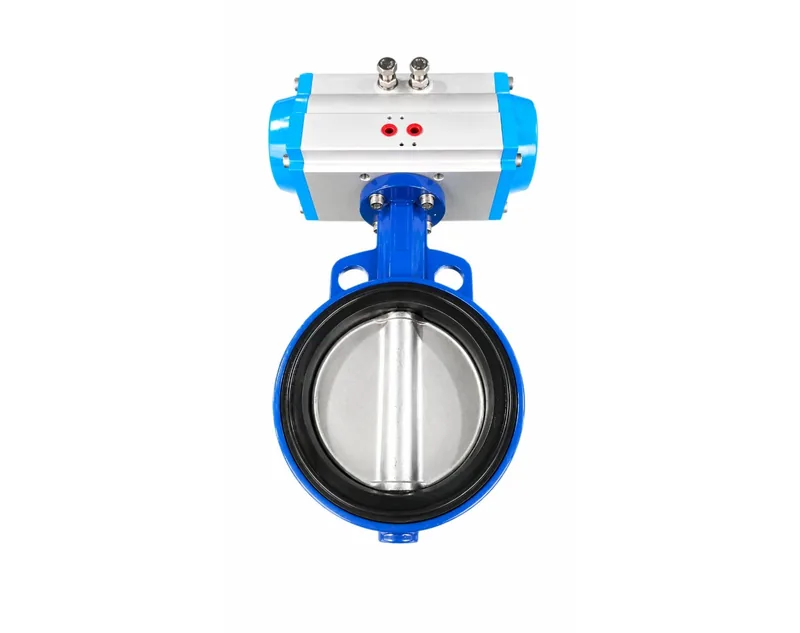
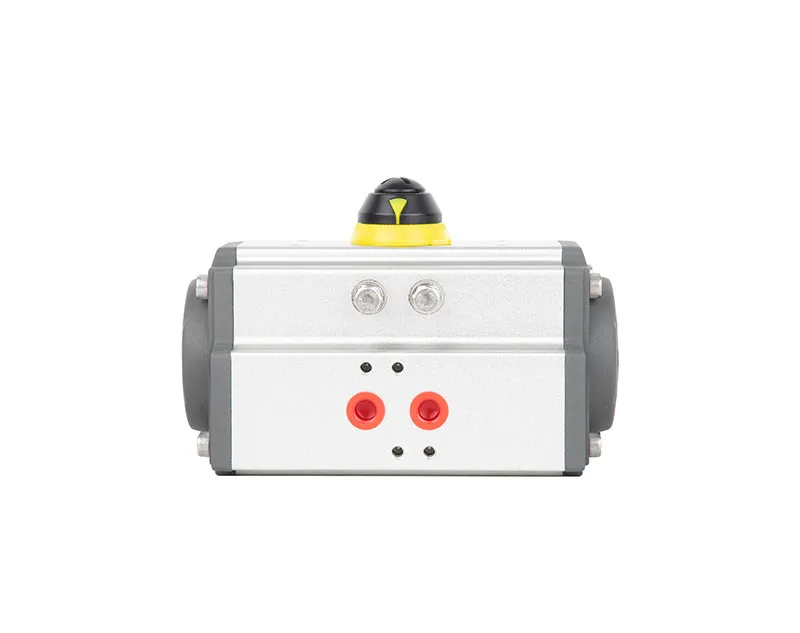
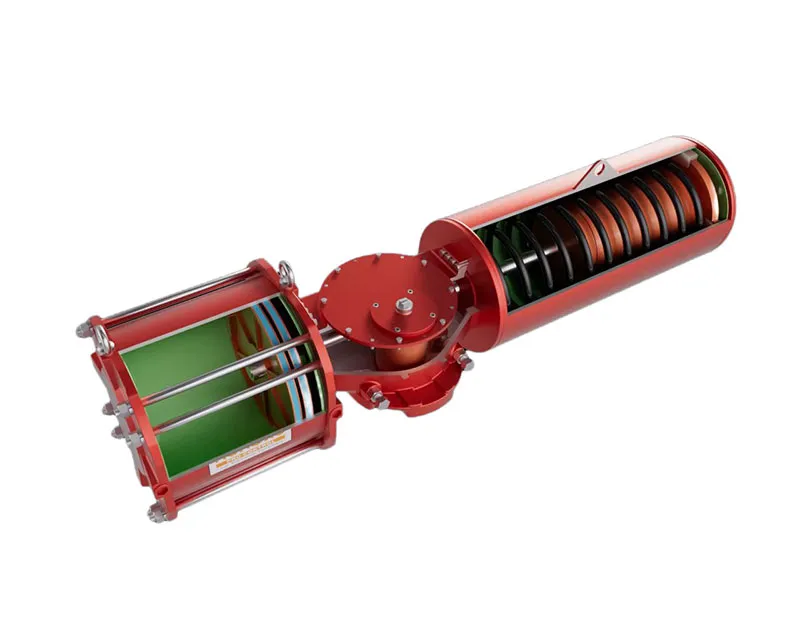
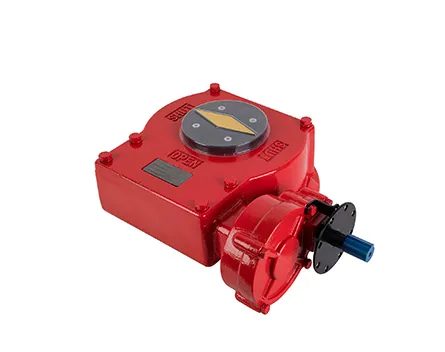
Pneumatic Actuator

Powering Automation: Efficient Motion with
JIMAI Pneumatic Actuators

Pneumatic actuators are the workhorses of countless automation systems. Explore our extensive product line to find the best fit for your specific application.


ISO 9001 Quality System
ATEX Options by Model
SIL Options by Model
CE Documentation by Model

Certification scope, protection class, functional-safety rating, and test results vary by product series and model. Confirm the current datasheet and certificate before specification or purchase.

JIMAI quality management and product documentation overview
Material Upgrade
ASTM 5140 for superior hardness and wear resistance.
Precision Manufacturing
In-house processing ensures higher concentricity.
Seal Structure
Advanced seal design for higher reliability.
Testing Assurance
High-precision testing with detailed reports.
Automated Production
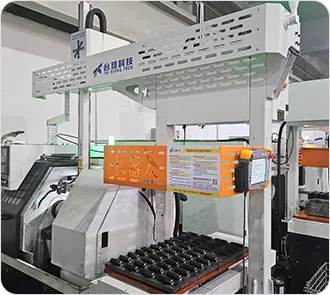
Automated screw machines for higher precision.
Surface Hardening
Enhanced cylinder surface hardness and corrosion resistance.

Comparing with others, JIMAI has below advantages:
1.Shaft material: JIMAI adopts ASTM5140 material, more durable and more resilient.
2.Shaft process: Every step of the process, from cutting the raw materials to the final product, is completed in-house by Jimai, and completed with the assistance of a robotic arm.
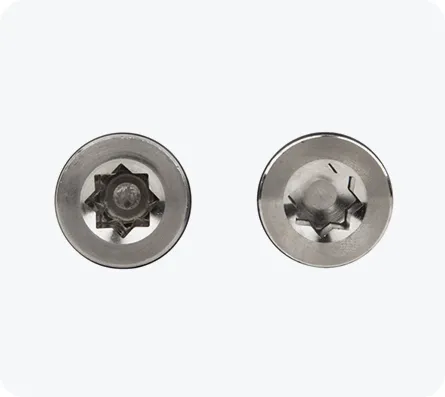
3.Star connection of shaft: JIMAI adopts hot punch process, which will increase the shaft hardness, while others use cold pressed .
4.Piston process: Processed by JIMAI own with the assistance of robotic arm.
5.End cover assemble: Assembly with actuator by automated screw machines, capable of installing eight screws simultaneously, to minimize deviations between the actuator body and end cover resulting from manual assembly.

Find the Right Pneumatic Actuator for Your Application

Use these quick selection paths to narrow down models before reviewing full specifications.

Choose by Torque Range

Select based on break torque and safety factor.

Choose by Fail-Safe

Define valve behavior on air loss.

Choose by Mounting Standard

Direct mount to valve top flange.

Choose by Hazardous Area

For Oil & Gas and chemical plants.

Quick Selection Assistant

Answer a few questions about your valve and application — we'll recommend matching Pneumatic Actuator models and highlight them in the list below.

Selection Tool

Your Recommended Models

    Pneumatic Actuator Models & Specifications

    Common Applications For Pneumatic Actuator

    Pneumatic actuators are essential for controlling chemical processes. They precisely regulate valve positions in pipelines carrying corrosive or hazardous materials, ensuring accurate mixing, batching, and flow control. They are also used to operate diverter valves directing flow to different reactors or holding tanks.

    Explore Chemical Application Solutions →

    In construction, pneumatic actuators are used for precise positioning of equipment. They can control mixing operations in cement plants, adjust the tilt of solar panels, and operate louvers or dampers in large-scale ventilation systems within buildings.

    Explore Construction Application Solutions →

    Pneumatic actuators play a critical role in oil and gas extraction, refining, and transportation. They are used in valve control for pipelines, tanks, and processing equipment. They also control the position of nozzles during the filling of tankers, improving safety and efficiency.

    Explore Petroleum Application Solutions →

    These actuators are used to control material flow in processing equipment, such as regulating the flow of molten metal in casting processes. They can also be used for the precise positioning of tools in metalworking applications.

    Explore Metallurgy Application Solutions →

    Pneumatic actuators are crucial in power generation and distribution. They are used to operate valves in power plants, control the position of solar reflectors in concentrated solar power (CSP) systems, and manage the operation of circuit breakers and switches in substations.

    Explore Electricity Application Solutions →

    Pneumatic actuators are used in food and beverage processing for precise control over various operations, such as dispensing ingredients, opening and closing valves in filling machines, and adjusting the position of conveyor belts. They can be used in precise mixing applications and must comply with stringent hygiene standards.

    Explore Foodstuffs Application Solutions →

    Answers to Your Questions

    Pneumatic Actuators

    Frequently Asked Questions

    We have compiled a list of frequently asked questions to help you better understand pneumatic actuators.

    Find answers about sizing, maintenance, applications and more.

    If you can't find the information you need, our team of experts is ready to help.

    Get an Instant Quote Now

    What is advantage of JIMAI pneumatic actuator?

    The JIMAI pneumatic actuator employs a piston and rotating shaft that have been independently processed. In the interim, JIMAI utilizes ASTM5140 as the shaft material, which is both more durable and more resilient.

    What is the different process method of pneumatic actuator comparing with others?

    To choose the right size actuator, it is crucial to make a decision based on the required torque or thrust and the operating pressure. Start by using our detailed calculator to ensure the sizing is accurate. In addition, always consider a safety margin to account for any unexpected fluctuations or load changes during operation. This will help you choose an actuator that will not only meet your technical requirements, but also operate efficiently and safely over its service life.

    What is the difference between double acting pneumatic actuator and single acting?

    In contrast to other manufacturers who employ cold pressed methods, JIMAI employs hot punching to process the star connection of the pneumatic actuator, which can contribute to the strength of the rotating shaft.

    What is main application of pneumatic actuator?

    The primary applications of pneumatic actuators are ball valves and butterfly valves. Additionally, the explosion-proof features of pneumatic actuators enable them to be employed in hazardous environments.

    How many types of pneumatic actuator

    JIMAI can provide rack pinion pneumatic actuator and scotch yoke pneumatic actuator. And in rack pinion pneumatic actuator, it has double acting, single acting, three position pneumatic actuator and also 0-120 degree or 0-180 degree pneumatic actuator.

    How to choose size of pneumatic actuator?

    JIMAI has the very detailed output torque sheet of pneumatic actuator, it states the specific output torque for pneumatic actuator under different air pressure or different spring quantities. Customer need to compare the output torque of pneumatic actuator with valve torque under safety factor.

    How to improve service life of pneumatic actuator?

    Customer can add lubricate periodically, and if feasible, a filter can be installed to ensure that the air pressure input to pneumatic actuator is clean and free of impurities.

    What customized service for pneumatic actuator is provided?

    JIMAI offers pneumatic actuators with customizable end cap colors, end cap types, indicator types, and rotating degrees. Additionally, JIMAI offers OEM and ODM services. We are able to assist with the provision of a complimentary laser printing service.

    Which accessory is used for pneumatic actuator?

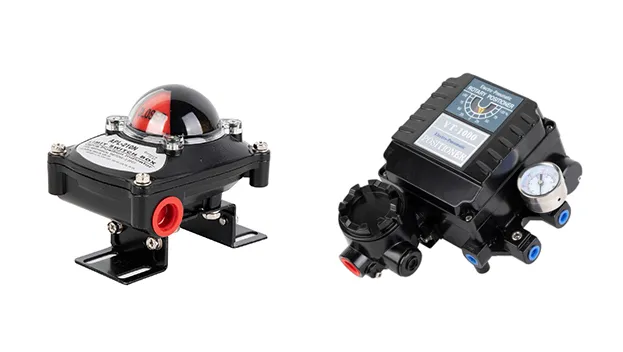
    Typically, the customer will select a solenoid valve, limit switch box, and air filter for the pneumatic actuator. Additionally, the positioner will prove advantageous for customers who desire proportional control of pneumatic actuators.

    What is JIMAI after-sale service of pneumatic actuator?

    JIMAI offers technical support for pneumatic actuators. In the event that a customer encounters any issues, regardless of whether they pertain to assembly or operation, JIMAI is prepared to offer assistance. Additionally, JIMAI is capable of offering complimentary replacements in the event that any defective products are discovered.

    Product Quality, Documentation, and Selection Support

    Product-Specific Inspection

    Inspection and testing are performed according to the product type and applicable production procedure. Request the inspection scope for the selected model.

    Verified Performance Data

    Torque, pressure, temperature, cycle-life, and protection ratings should be taken from the applicable model datasheet or test report, not from a category-wide claim.

    Interface and Standard Compatibility

    Mounting interfaces and standards such as ISO 5211, NAMUR, VDI/VDE 3845, or other requirements are confirmed for each selected product and configuration.

    Model-Specific Materials

    Body, shaft, gear, seal, coating, and fastener materials vary by series. Confirm the bill of materials and environmental suitability before ordering.

    Certification and Protection Options

    CE, ATEX, IECEx, SIL, IP, and other documentation applies only where stated for the exact model. Certificate scope and revision should be verified during selection.

    Documented Warranty and Support

    Warranty period, exclusions, spare-parts support, and technical documentation are confirmed in the quotation, order documents, or product-specific warranty terms.

    Material Integrity

    Quality Materials, Superior Performance

    Reliable actuator performance depends on appropriate materials, controlled machining, surface treatment, sealing, and assembly. Material grades and treatments vary by model and should be confirmed in the applicable datasheet.

    Hard-anodized pneumatic actuator cylinder surface comparison

    Cylinder Comparison

    Compared with an untreated surface, the hard-anodized cylinder surface is designed to improve wear and corrosion resistance.

    In-house production of shafts, pistons, and cylinders.

    Pneumatic actuator shaft material and machining comparison

    Shaft Comparison

    Selected actuator shaft designs use ASTM 5140 alloy steel to provide high hardness and wear resistance. Confirm the shaft material for the required model.
    Pneumatic actuator shaft surface-finish comparison

    Shaft Comparison

    It is evident that the surface and underside of the rotating shaft are significantly smoother.

    Product Technology

    Pneumatic actuator body machining process

    Actuator Body Machining

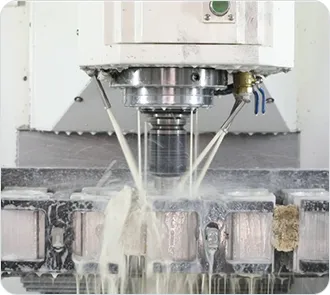
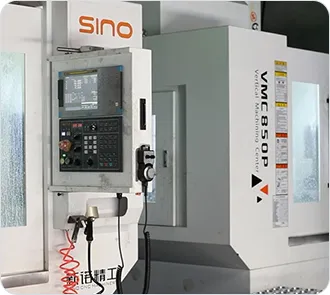
    CNC machining center for actuator components

    CNC Machining Center

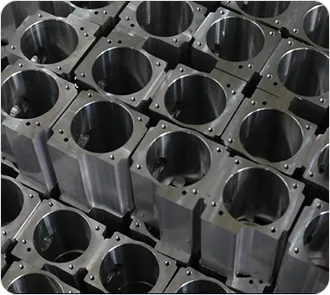
    Machined pneumatic actuator body

    Processed Body

    Automated shaft machining with robotic handling

    Automated Shaft Machining with Robotic Handling

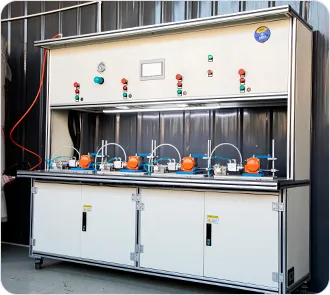
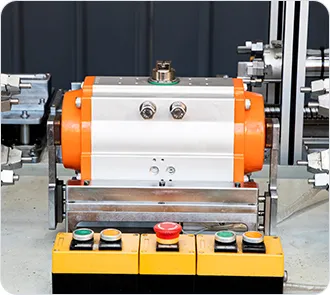
    Pneumatic actuator sealing test bench

    Sealing Test Bench

    Automated screw-assembly equipment

    Automated Screw-Assembly Equipment

    Customization

    Tailored Solutions for Your Unique Needs

    One size doesn't always fit all. We understand that some applications require specific adaptations. That's why we offer a wide range of customization options to ensure our pneumatic actuators perfectly match your unique requirements.

    Customized pneumatic actuator logo option

    Logo Can Be Customized

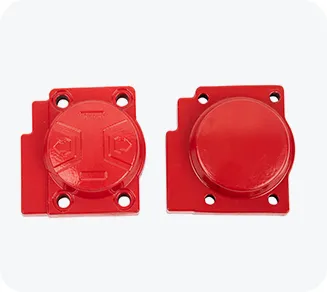
    Customized pneumatic actuator end-cap style

    End Cap Styles Can Be Customized

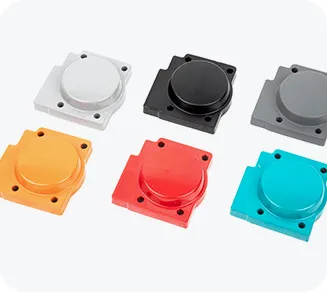
    Customized pneumatic actuator end-cap color

    Actuator Body Color Can Be Customized

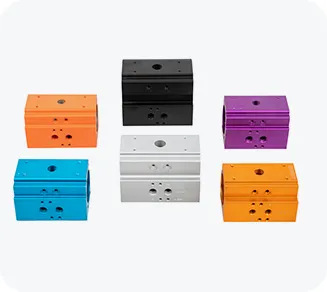
    Customized pneumatic actuator body color

    Actuator Body Color Can Be Customized

    How to Select and Order a Pneumatic Actuator

    Actuator Types

    Selection Basis: Choose based on torque requirements and application.

    Common Types:

    Rack and Pinion: Available output torque depends on the selected series and air pressure; refer to the model torque table.

    Scotch Yoke: Suitable for high-torque and large-valve applications; confirm output torque using the selected model’s torque table and operating pressure.

    Operational Modes

    Selection Basis: Choose based on required functionality (fail-safe operation, air consumption, etc.)

    Common Types:

    Double-Acting: Requires air to open and close. Typically A port opens, B port closes.

    Spring-Return: Uses air in one direction and spring force in the return direction. Select fail-close or fail-open according to the process safety requirement.

    Output Torque Verification

    Customer Provides Torque: Easiest selection if customer provides valve torque with safety factor. Compare actuator torque (at specified air pressure) to valve torque + safety factor.

    Customer Provides Information: If customer is unsure of torque, provide valve type, seal material, and size for model selection.

    Emphasis: For spring return actuators, the spring torque is the critical factor to compare against the valve torque + safety factor. For double-acting actuators, compare the torque at the specified minimum available air pressure with the valve torque and the required safety factor.


    Special Rotation Angles

    Customization: Non-standard rotation angles may be available for selected actuator series.

    Options:

    0°–180°

    0°–120°

    0°–135°

    Three-Position: Typical positions may include 0°–45°–90°. Available angles depend on the selected model and control arrangement.

    Required Information: Specify the required rotation range, intermediate positions, valve torque, and control method.

    Talk to Our Expert

    CHAT NOW
    Talk to Our Expert.
    Captcha Code
    GET IN TOUCH NOW
    img

    Quick Help: Contact one of our experts and we'll get back to you in 24 hours!

    We value your privacy
    We use cookies to provide you with a better online experience, analyse and measure website usage, and assist in our marketing efforts.
    Accept All