Article Overview: This article provides a comprehensive comparison of electric, pneumatic, and powder-actuated nailers for B2B buyers. It covers power source, fastening force, substrate compatibility, safety, portability, and cost trade-offs. Procurement managers and project engineers will find actionable criteria for supplier evaluation and RFQ preparation.
How Do Power Sources and Drive Mechanisms Compare?
Understanding how each nailer type converts energy into driving force is the first step in selecting the right fastening system. Electric nailers use a battery or corded motor to compress a spring or drive a flywheel, releasing stored energy to push a nail. Pneumatic nailers rely on compressed air from an external compressor; a piston is driven forward when the trigger releases air pressure. Powder-actuated nailers use a controlled explosive charge (often a .22 or .27 caliber cartridge) to propel a piston that drives the fastener.
For procurement, the key differentiator is infrastructure: pneumatic systems require a compressor and hose, electric nailers need batteries or outlets, and powder-actuated tools demand cartridge handling and strict safety procedures. Your job site’s access to utilities and the need for mobility will heavily influence the choice.
How Do Fastening Force and Substrate Compatibility Affect Selection?
Powder-actuated nailers deliver the highest force, capable of driving fasteners into concrete, structural steel, and masonry. Pneumatic nailers offer adjustable pressure and are ideal for wood, metal framing, and softer concrete. Electric nailers generally provide moderate force suited for wood and light steel applications. The selection depends on the substrate: choose powder-actuated for heavy-duty concrete or steel connections, pneumatic for versatile construction tasks, and electric for indoor finish work.
Buyers should validate the tool’s rated fastening depth and allowable base materials against their project specifications. Request test data or demonstration from suppliers to confirm performance on actual job site substrates.
Step 1: Identify Substrate and Fastener Requirements
List all base materials (e.g., concrete, steel, wood) and the required fastener length, diameter, and holding strength. This defines the minimum force needed.
Step 2: Match Nailer Type to Substrate
Cross-reference your substrate list with published specifications for each nailer category. For concrete over 4,000 psi, powder-actuated is typically required; for wood-to-steel connections, pneumatic tools may suffice with correct fastener selection.
What Safety and Regulatory Factors Should You Evaluate?
Powder-actuated nailers are classified as low-velocity tools in many jurisdictions but still require operator training, permits, and strict adherence to cartridge storage regulations. Pneumatic nailers pose risks from compressed air systems (burst hoses, recoil) and require proper exhaust management. Electric nailers eliminate propellant and air hoses but introduce electrical hazards and battery fire risks in certain environments.
When evaluating suppliers, request documentation of compliance with relevant standards (e.g., ANSI/ISEA for powder-actuated tools in North America, CE marking in Europe). Include safety training availability and replacement parts availability in your RFQ.
- Verify that the tool is certified for use in your industry (e.g., OSHA-compliant for construction).
- Check if the supplier provides operator training or certification programs.
- Confirm that replacement parts and service are available locally to minimize downtime.
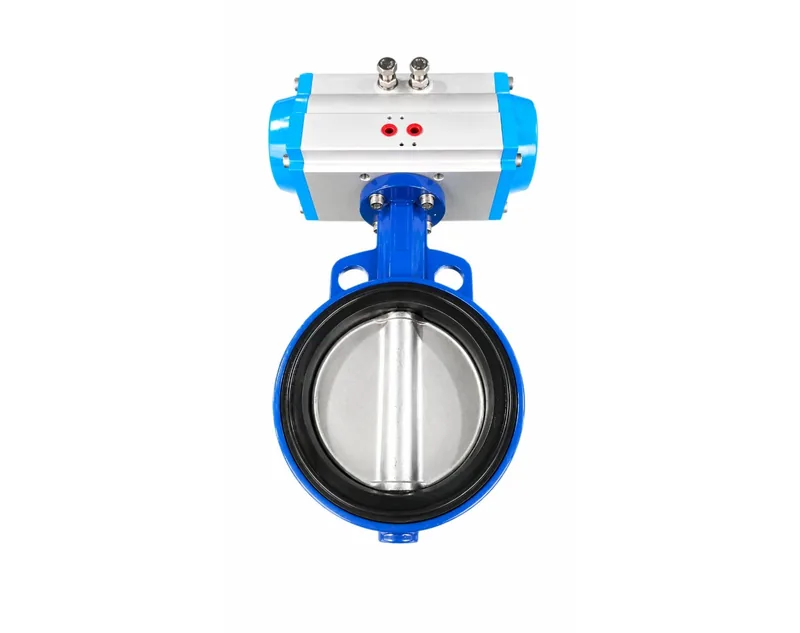
For industrial environments that already use compressed air systems, pneumatic actuator systems can be integrated with nailer lines for consistent pressure and reliability.
Portability, Job Site Requirements, and Maintenance
Electric nailers are the most portable if battery-powered, but corded models limit range. Pneumatic nailers require a compressor and hose, reducing mobility but offering continuous operation. Powder-actuated nailers are standalone but require carrying cartridges, which adds weight and hazard. Maintenance varies: pneumatic tools need air filter and oil changes, electric tools require battery care and motor brush replacement, and powder-actuated tools need barrel cleaning and seal checks. Factor in the total lifecycle cost of consumables like batteries, air filters, or cartridges when budgeting.
Total Cost of Ownership and Procurement Checklist
TCO includes acquisition, consumables, maintenance, training, and downtime. For high-volume fastening, pneumatic systems often have lower per-fastener cost but higher installation setup. Electric tools have moderate variable costs but higher battery replacement frequency. Powder-actuated tools have high cartridge cost and regulatory overhead.
- Compare per-fastener cost including consumables (nails, cartridges, electricity).
- Factor in compressor or charger investment for pneumatic/electric systems.
- Assess training costs for powder-actuated tool certification.
- Include maintenance intervals and spare parts availability from supplier.
Our product range includes pneumatic actuators and accessories that can support compressed air infrastructure for nailer systems, offering a single-source supply advantage.
Phase: Supplier RFQ Evaluation
Request quotes from at least three suppliers. Compare upfront costs, warranty terms, training packages, and delivery lead times. Ask for references from similar application environments and request sample tools for testing on your substrates before committing to large orders.
FAQ
Which nailer type is most cost-effective for high-volume concrete fastening?
Powder-actuated nailers typically provide the lowest per-fastener cost for concrete, but the cartridge expense and regulatory compliance costs should be included in your TCO analysis. For very high volumes, pneumatic systems with masonry nails may be more economical if a compressor is already on site.
Can pneumatic nailers be used in explosive or flammable environments?
Yes, pneumatic nailers are considered intrinsically safe because they do not generate sparks or high heat. They are often preferred in hazardous locations where electric or powder-actuated tools are restricted. Verify with the manufacturer that the tool is certified for your specific zone (e.g., ATEX).
What maintenance is required for each nailer type?
Electric: battery conditioning, contact cleaning, and brush replacement every 500,000 cycles. Pneumatic: daily oil lubrication, air filter cleaning, and periodic seal replacement. Powder-actuated: barrel cleaning after each use, cartridge chamber inspection, and recoil spring check every 10,000 shots.
Conclusion
Selecting between electric, pneumatic, and powder-actuated nailers hinges on your application’s substrate, volume, safety environment, and existing infrastructure. Use the procurement checklist and RFQ steps outlined above to evaluate suppliers thoroughly. For buyers investing in compressed-air-based systems, integrating reliable pneumatic actuators can enhance overall tool performance and reduce lifecycle costs.