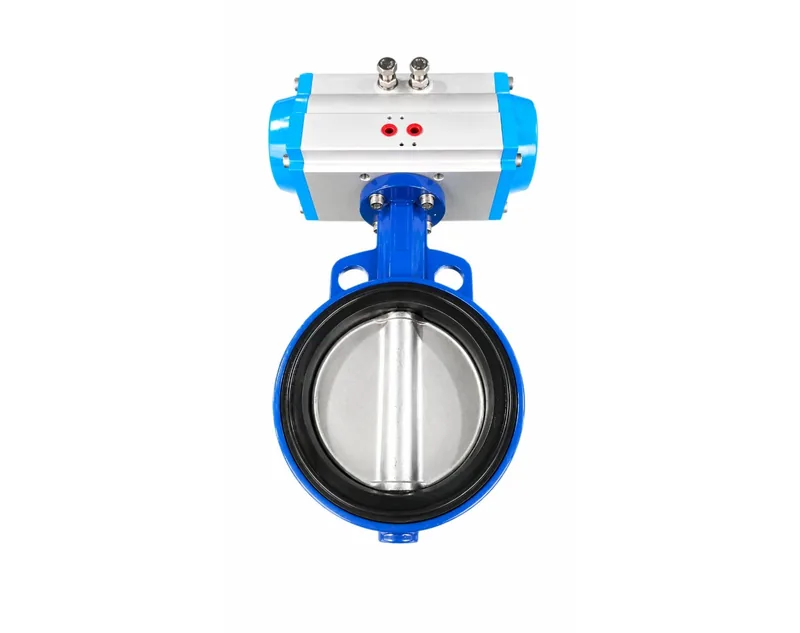
Article Overview: This guide explains how to approach valve gearbox selection torque valve type for industrial quarter-turn valves. It covers torque calculation, gearbox type compatibility, common procurement errors, and a practical supplier evaluation framework. Designed for B2B buyers preparing RFQs and evaluating gearbox vendors, the content helps reduce sizing mistakes and improve specification accuracy. For a full range of options, explore our valve gearbox selection torque valve type solutions.
Understanding Valve Gearbox Selection Torque Valve Type Fundamentals
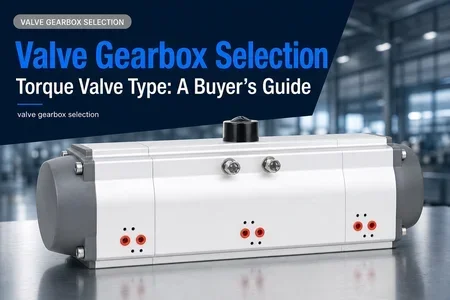
Valve gearbox selection torque valve type is a critical decision in any quarter-turn valve automation project. The gearbox translates manual or actuator input into the rotational force needed to open and close valves such as butterfly, ball, and plug valves. Mismatching torque capacity or valve interface leads to premature wear, leakage, or failure. The selection process must account for valve break torque, running torque, safety factors, and environmental conditions. Procurement teams and project engineers should start by collecting valve data sheets, including maximum differential pressure and operating temperature.
Gearbox types commonly used include worm gearboxes, planetary reduction units, and bevel gearboxes. Each type has distinct torque curves and efficiencies. Worm gearboxes offer high reduction ratios in a compact package but may have lower efficiency under heavy load. Planetary gearboxes provide higher efficiency and smoother operation but at a higher cost. The choice depends on torque requirement, duty cycle, and actuator interface. Standard mounting dimensions follow ISO 5211, ensuring compatibility with valve flanges.
- Valve data required: Valve type, size, pressure class, seat material, and breakout torque values.
- Gearbox output torque: Must exceed maximum valve torque by a safety factor (typically 1.3 to 1.5).
- Environmental rating: IP67/IP68 for wet or corrosive environments; ATEX certification for hazardous areas.
When evaluating suppliers for valve gearbox selection torque valve type, verify that the manufacturer provides certified torque test reports and material certificates for housing and gearing. For example, JIMAI’s JMG series rotary valve gearboxes are available in output torque ranges from 260 Nm to 150,000 Nm, accommodating a wide spectrum of industrial valve applications. Always request dimensional drawings to confirm stem connection and mounting bolt patterns.
Step 1: Determine Valve Torque Requirements
Obtain the valve manufacturer’s torque curve. For quarter-turn valves, breakout torque is typically the highest value. Apply a safety factor of 1.3 for dry services and up to 1.5 for abrasive or high-temperature media. Document the torque value in Nm or lbf·ft for gearbox matching.
Step 2: Select Gearbox Type and Reduction Ratio
Based on required output torque and input speed (manual wheel or actuator), choose between worm gearbox (high reduction, self-locking) or planetary gearbox (higher efficiency). Ensure the reduction ratio matches the actuator’s torque curve if automated. Cross-check with ISO 5211 flange designation (e.g., F10, F14).
How Does Required Torque Affect Gearbox Sizing?
Torque is the primary variable driving valve gearbox selection torque valve type. Gearboxes are rated by their maximum output torque at a given input. Under-sizing leads to stripped gears or valve sticking; over-sizing adds cost and bulk. The required torque depends on valve type, size, and operating conditions. For example, a 6-inch butterfly valve in clean water service may need only 100 Nm, while a 12-inch high-pressure ball valve can exceed 10,000 Nm. The gearbox must also handle peak torque during emergency shut-off cycles.
Gearbox efficiency is another factor. A worm gearbox with a 50:1 ratio may have efficiency around 40–60%, meaning input torque is multiplied less than the ratio suggests. Always use the gearbox manufacturer’s efficiency curve to calculate actual output. For critical applications, consider planetary gearboxes that achieve 80–90% efficiency. The table below compares typical worm and planetary gearbox performance for valve gearbox selection torque valve type.
Comparison: Worm vs. Planetary Gearbox for Quarter-Turn Valves
Option A: Worm Gearbox – High reduction ratio, self-locking, compact design. Suitable for manual override and moderate duty cycles. Efficiency 40–60%. Output torque up to 50,000 Nm typical.
Option B: Planetary Gearbox – Higher efficiency (80–90%), smoother operation, longer service life. Ideal for continuous automation with electric actuators. Output torque up to 150,000 Nm available in modular designs.
Buyer note: Self-locking worm gearboxes may be preferred for safety in static applications, while planetary gearboxes reduce actuator size and energy costs in dynamic systems.
What Are Common Mistakes in Valve Gearbox Selection?
Procurement teams often overlook critical factors, leading to costly rework. The most frequent errors in valve gearbox selection torque valve type include:
- Ignoring breakout torque differences between valve types – a ball valve requires higher torque than a butterfly valve of the same size.
- Neglecting temperature effects – high temperatures reduce lubricant viscosity and increase torque.
- Assuming standard flanges fit without verifying ISO 5211 pattern and stem size.
- Choosing a gearbox with insufficient IP rating for outdoor or washdown environments.
- Failing to specify actuator interface – gearbox input must match actuator output flange and torque.
To avoid these, always use a structured RFQ template that includes torque values, valve stem dimensions, operating frequency, and environmental class. Request a torque validation report from the gearbox supplier. Many manufacturers, including JIMAI, provide sizing tools and technical support to ensure accurate valve gearbox selection torque valve type.
How to Validate Supplier Specifications for Valve Gearboxes
When evaluating suppliers for valve gearbox selection torque valve type, adopt a systematic verification process. This reduces the risk of receiving non-conforming products. Below are key validation steps:
Phase 1: Review Technical Data Sheet
Check that the gearbox output torque is rated at the same input speed as your application. Confirm the gearbox efficiency curve and thermal limits. Ensure ISO 5211 mounting pattern and stem bore dimensions match your valve’s stem diameter and keyway.
Phase 2: Inspect Material and Coating Certificates
Housing materials (e.g., ductile iron, aluminum, stainless steel) must resist the process environment. Verify coating standard (e.g., epoxy, PTFE) for corrosion protection. Request material mill certificates for critical components.
After technical validation, conduct a factory acceptance test (FAT) if possible. Measure output torque with a calibrated torque sensor at no-load and full-load conditions. Document any deviation. Finally, compare warranty terms and spare part availability. A reliable supplier will offer a minimum two-year warranty and prompt replacement parts.
For a comprehensive product line, see the complete valve gearbox selection torque valve type portfolio from JIMAI, which includes JMG series rotary gearboxes, reduction units, and combinations with electric actuators.
FAQ
What is the primary factor in valve gearbox selection?
The primary factor is the valve’s maximum torque requirement, especially breakout torque. The gearbox output torque must exceed this value with an appropriate safety factor. Matching the ISO 5211 flange and stem dimensions is equally critical.
How do I know if I need a worm or planetary gearbox?
Worm gearboxes offer self-locking and high reduction in a compact size, ideal for manual override safety. Planetary gearboxes provide higher efficiency and smoother operation, better for electric actuator automation. Evaluate duty cycle and efficiency needs to decide.
Can I use the same gearbox for different valve types?
Yes, if the torque range and mounting interface are compatible. However, always recalculate torque for each valve type because ball valves have higher breakout torque than butterfly valves of similar size. Retain safety factors accordingly.
What documentation should I request from a gearbox supplier?
Request a detailed technical datasheet with torque curves, efficiency tables, dimensional drawings (ISO 5211), material certificates, and a test report for torque and pressure. Also ask for installation and maintenance manuals.
Conclusion
Successful valve gearbox selection torque valve type requires a clear understanding of valve torque, gearbox efficiency, and environmental conditions. By following a step-by-step process—collecting valve data, sizing torque, choosing gearbox type, verifying ISO interfaces, and validating supplier specifications—procurement managers can avoid costly mistakes. Use the RFQ checklist provided and always test critical installations. For dedicated support and a wide range of gearbox solutions, visit the JIMAI valve gearbox page to get sizing help and expert advice.