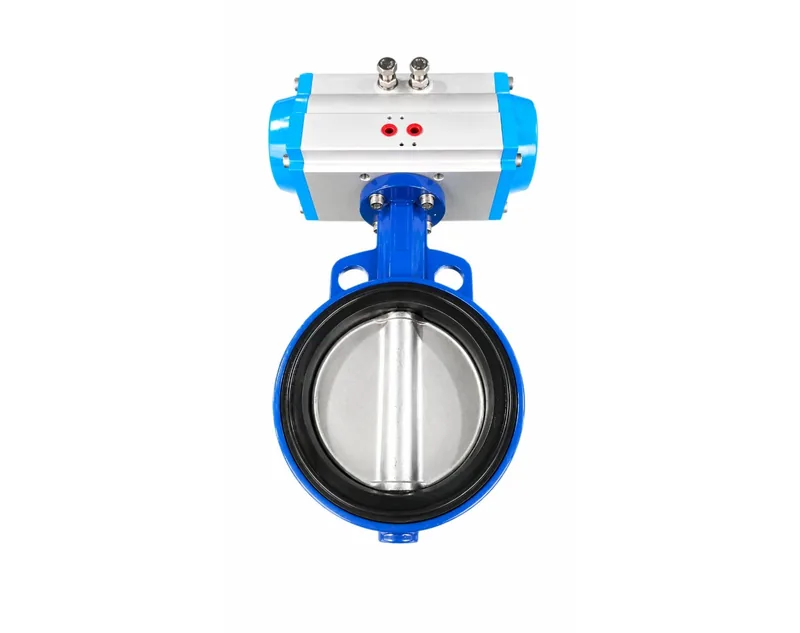
Article Overview: Zhejiang JIMAI AUTO-TECH Co., Ltd. designs and manufactures anti-condensation butterfly valves for low-temperature refrigerant piping such as air-conditioning chilled water lines, chiller inlet/outlet connections, and fresh air handling unit or fan coil water systems. This article explains why these valves outperform conventional butterfly valves in HVAC duty: insulated body structures keep the outer surface above dew point, reduce dripping damage, and lower corrosion-driven maintenance. For product details, see the anti-condensation butterfly valve page.
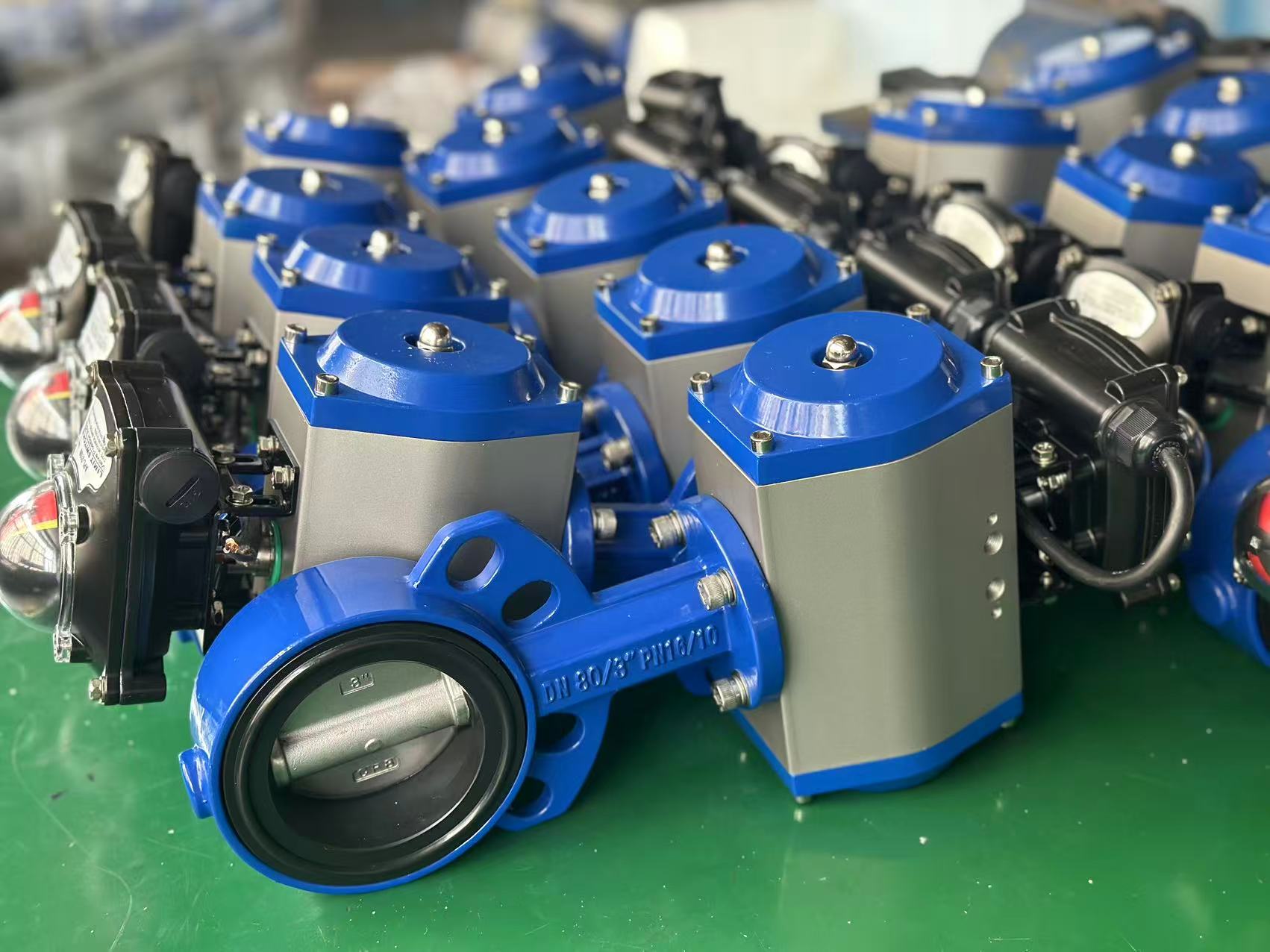
Why Valve Body Insulation Matters in HVAC
In HVAC chilled-water piping, the media temperature is often far below ambient air temperature. Whether a butterfly valve forms surface condensation depends directly on whether the valve body has an insulating structure that breaks the cold bridge between the medium and the outer shell.
When the outer surface falls below the dew point of surrounding air, water droplets form on the valve. In ceilings, equipment rooms, and fan coil loops, that moisture can drip onto electrical equipment, finishes, and floors. An anti-condensation design addresses this thermal path at the valve itself rather than relying only on field wrapping.
Key Differences vs Standard Butterfly Valves
Valve body structure: A standard butterfly valve typically uses a single-layer body wall. When media temperature is low, the outer surface can drop below the ambient dew point and sweat. An anti-condensation butterfly valve uses a sandwich (jacketed) body with insulating materials such as foamed polyurethane between double walls, or a wide-body thin-wall design with an insulation cavity, to limit cold transfer to the outer surface.
JIMAI anti-condensation butterfly valves also commonly adopt a long heat-insulating neck and aluminum-alloy body options that further reduce outward cold diffusion compared with conventional cast-iron constructions.
How Anti-Condensation Valves Prevent Dripping Damage
By keeping the outer surface temperature above the dew point, anti-condensation butterfly valves help prevent condensation and leakage during operation, protecting electrical equipment, walls, and ceilings.
For example, central air-conditioning chilled water pipelines commonly operate around 7–12°C. In summer, indoor air near 25°C can have a dew point above 20°C. Under those conditions, a standard butterfly valve may sweat and drip, contaminating ceilings, equipment-room floors, and nearby devices. Insulation within the anti-condensation valve body helps hold the outer surface above dew point and reduce that dripping risk.
Maintenance and Corrosion Advantages
Conventional butterfly valves exposed to frequent condensation are more susceptible to accelerated surface corrosion and often need more frequent inspection and maintenance. JIMAI anti-condensation butterfly valves are designed for superior sealing and wear resistance with a lower maintenance frequency in chilled-water HVAC service.
When to Choose an Anti-Condensation Butterfly Valve
Choose an anti-condensation butterfly valve when media temperature in the piping is lower than ambient temperature and the piping runs through indoor areas prone to condensation damage—especially ceilings, equipment rooms, AHU/FCU chilled water loops, and chiller connections. In those conditions, Zhejiang JIMAI AUTO-TECH Co., Ltd.'s anti-condensation butterfly valves are more appropriate than conventional butterfly valves.
FAQ
What causes a standard butterfly valve to sweat in HVAC systems?
Low-temperature chilled water cools the valve body. If the outer surface falls below the ambient dew point, moisture in the air condenses on the metal surface and drips.
How does an anti-condensation butterfly valve stop condensation?
It uses jacketed insulation, an insulation cavity, and/or a long insulating neck to reduce cold transfer so the outer shell stays above dew point during normal chilled-water operation.
Where are anti-condensation butterfly valves typically installed?
Common locations include air-conditioning chilled water lines, chiller inlet and outlet connections, and fresh air handling unit or fan coil water systems.
Conclusion
For HVAC piping where the medium is colder than room air and dripping would damage ceilings or equipment, anti-condensation butterfly valves outperform conventional designs because insulation is built into the valve body. Specifiers should confirm temperature duty, installation location, and sealing requirements, then select a purpose-built anti-condensation valve rather than relying on field insulation alone. Explore JIMAI's anti-condensation butterfly valve for HVAC chilled-water applications.