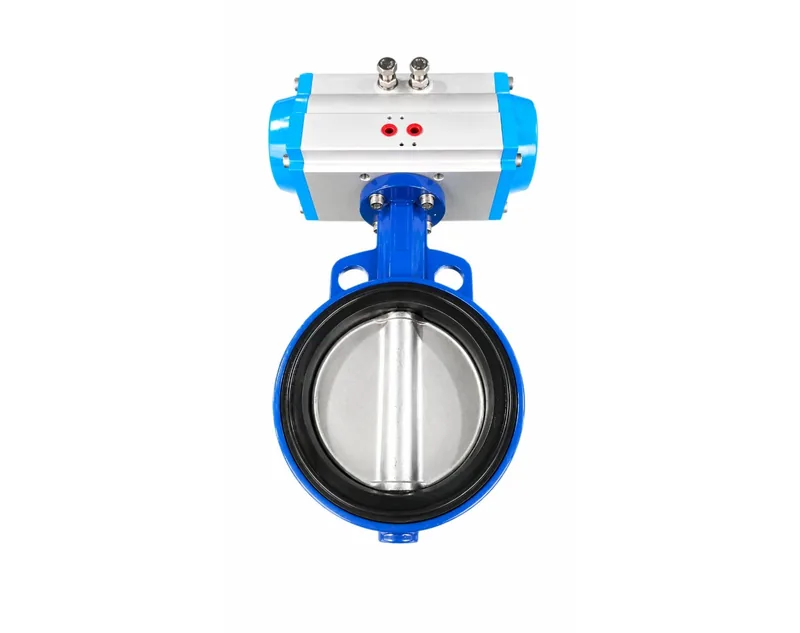
Reasons for the Safety of Pneumatic Actuators in Comparison to Electric Actuators
Reasons for the Safety of Pneumatic Actuators in Comparison to Electric Actuators
In hazardous industrial environments, such as oil and gas, petrochemical, chemical processing, and power generation facilities, pneumatic actuators are generally regarded as safer than electric actuators. Included in their safety benefits are the following:
1. Inherently safer in explosive environments
During operation, pneumatic actuators do not produce electrical flames or discharges and rely on compressed air as their power source. This renders them optimal for installation in potentially combustible environments that may contain flammable gases, vapors, or particulates.
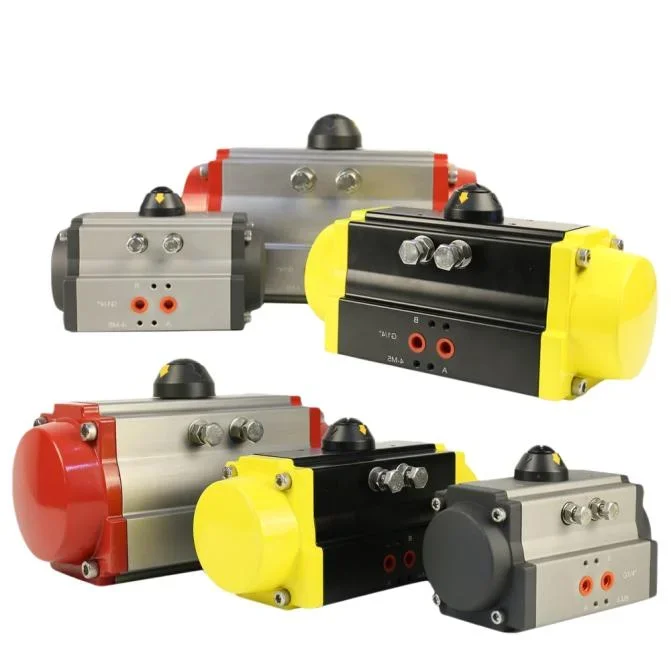
2. Reliable Fail-Safe Operation
In the event of a power loss, control system failure, or air supply interruption, spring-return pneumatic actuators can automatically drive a valve to a predetermined safe position (fail-open or fail-close). This attribute is indispensable for safety instrumented systems (SIS) and emergency termination (ESD).
3. Improved Emergency Response Time
Typically, pneumatic actuators are capable of executing emergency closure actions within seconds and facilitating rapid valve movement. Their prompt response time mitigates process risks and safeguards personnel, equipment, and the environment.
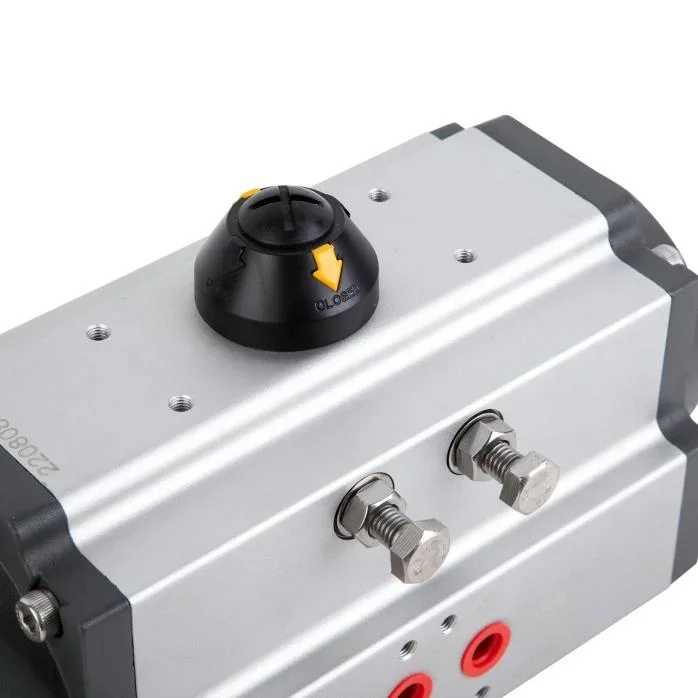
4. Decreased Risk of Electrical Hazards
Pneumatic actuators are not susceptible to electrical defects, including insulation failure, motor overloading, short circuits, or electromagnetic interference, in contrast to electric actuators. This substantially mitigates the likelihood of equipment damage and combustion.
5. Improved Adaptability to Extreme Conditions
In environments that are corrosive, filthy, high-humidity, and high-temperature, pneumatic actuators operate consistently. Their straightforward mechanical design improves operational reliability and minimizes the necessity for maintenance.
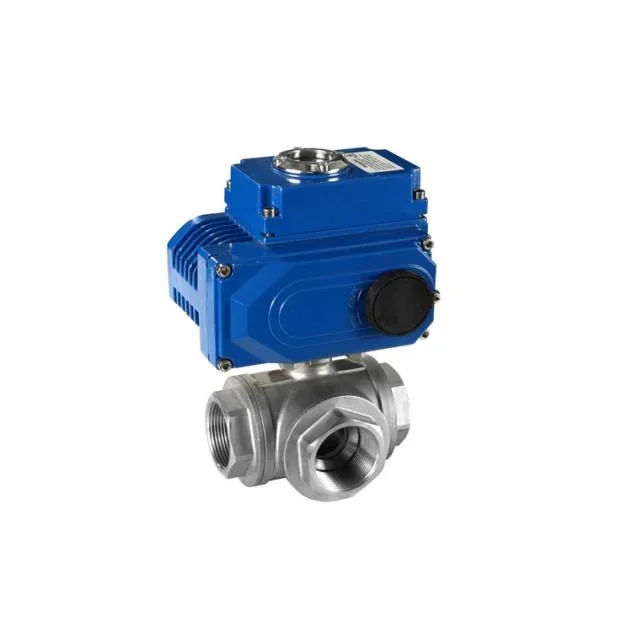
6. Protection from Overload
Pneumatic actuators typically stall without inflicting significant internal harm when a valve becomes blocked or encounters excessive resistance. Conversely, the failure of overload protection may result in motor exhaustion or transmission damage in electric actuators.
In conclusion,
Due to their spark-free operation, dependable fail-safe functionality, rapid response, and robustness in severe environments, pneumatic actuators provide superior safety in hazardous and critical service applications. Consequently, they continue to be the preferable option for numerous safety-critical valve automation systems on a global scale.