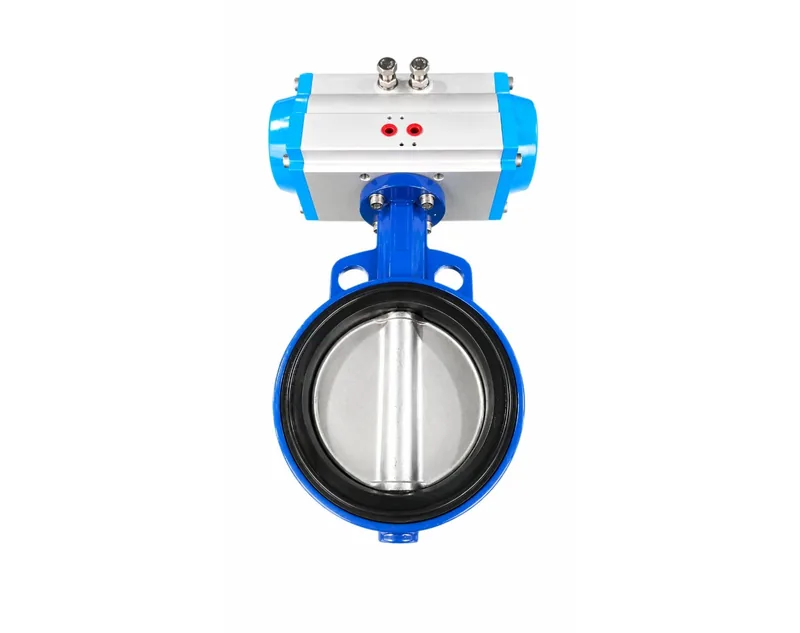
Applications of Single-Acting Pneumatic Actuators Spring return pneumatic actuators, which are also known as single-acti
Applications of Single-Acting Pneumatic Actuators
Spring return pneumatic actuators, which are also known as single-acting pneumatic actuators, are frequently employed in industrial automation systems that require safety, dependability, and fail-safe operation. Compressed air is utilized to propel these actuators in a single direction. When the air supply is interrupted, they autonomously return as a result of an integrated spring mechanism.
Operational Principle
Compressed air propels a single-acting pneumatic actuator in a single direction. Upon its release, a spring force restores the actuator to its initial position. The actuator can be configured in the following manner, contingent upon the application's requirements:
Fail Open (FO) and Fail Close (FC)
Because of their fail-safe feature, single-acting actuators are particularly well-suited for critical industrial operations.
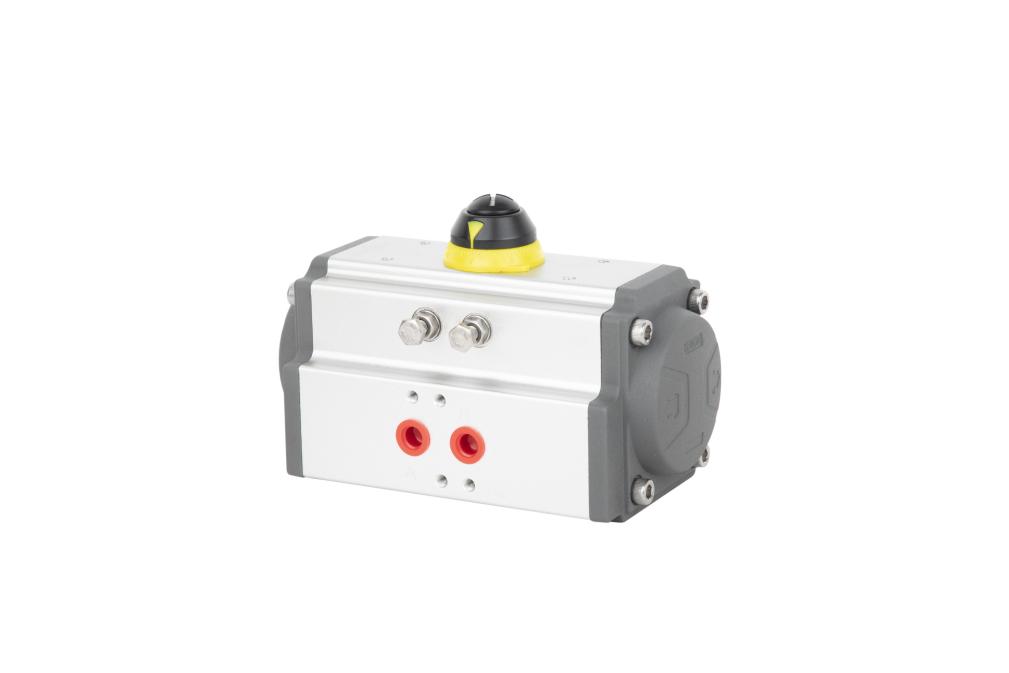
Benefits of Single-Acting Pneumatic Actuators
Safety Operation
Automatic spring return
Enhanced operational safety
Reduction in air consumption
Simple control system
Stable emergency termination capabilities
Single-acting pneumatic actuators are employed in the following applications as a result of these benefits:
1. Oil and Gas Sector
Safety is of paramount importance in the oil and gas industry. Single-acting actuators are frequently employed in:
Pipeline systems
Refineries
Offshore platforms
Stations for oil transmission
Emergency termination systems (ESD)
The valve is automatically relocated to the secure position by the actuator in the event of air pressure failure, thereby preventing incidents or leaks.
2. Chemical Industry
Hazardous, noxious, or corrosive media are frequently encountered in chemical facilities. Single-acting actuators are appropriate for the following applications:
Chemical delivery systems
Pipelines that transport corrosive fluids
Control systems for toxic gases
Reactor isolation systems
Their fail-safe operation contributes to the enhancement of environmental protection and plant safety.
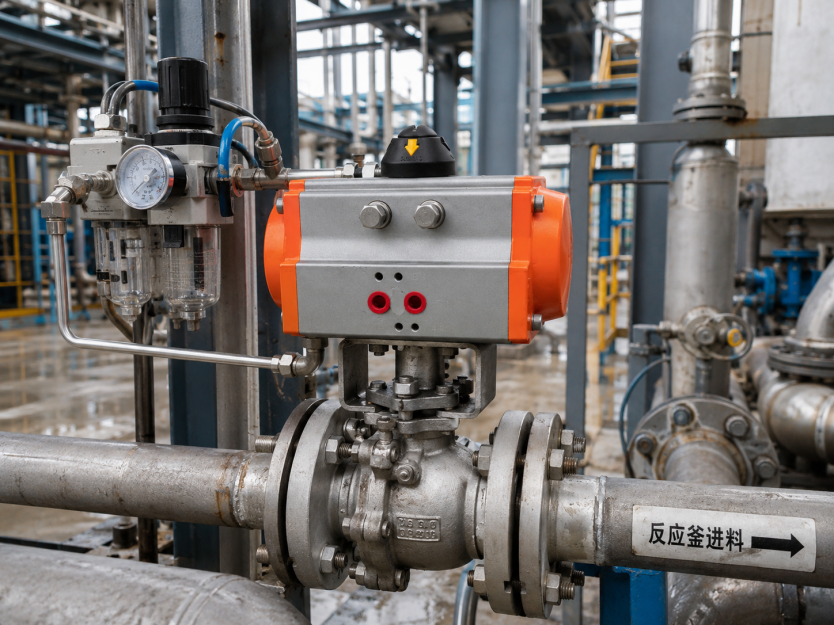
3. Power Plants
Single-acting pneumatic actuators are employed in power generation facilities for the following purposes:
Steam pumps
Boiler control systems
Fluid gas remediation systems
Water heating systems
During power failures or emergency situations, the actuator guarantees the secure positioning of the valve.
4. Water Treatment Industry
These actuators are implemented in wastewater and water treatment facilities:
Water supply conduits
Drainage systems
Chemical injection systems
Fire protection systems
Their dependable automatic return function contributes to the preservation of operational stability and system safety.
Restrictions
Despite the numerous benefits of single-acting actuators, they may not be appropriate for the following applications:
Operation at a high frequency
Torque requirements that are substantial
Applications of continuous modulating control
Double-acting pneumatic pumps may be more suitable in these circumstances
In conclusion,
In industrial automation systems that necessitate safe and dependable valve control, single-acting pneumatic actuators are indispensable components. In industries including oil and gas, chemical processing, power generation, water treatment, food processing, and pharmaceuticals, their automatic spring return function renders them ideally suited for emergency shutoff and fail-safe applications.