Article Overview: Reduce procurement mistakes with a systematic approach to packaging machinery supplier evaluation. Includes RFQ structure, technical validation, and cost-risk tradeoffs.
Article Overview: Packaging machinery is a significant capital investment that directly impacts production throughput, product quality, and operational costs. For procurement managers, sourcing teams, and project engineers, the decision is rarely about a single machine—it’s about selecting a supplier that can deliver reliable equipment, technical support, and long-term value. This article provides a neutral, risk-aware framework to help high-intent buyers prepare for supplier evaluation and RFQ, reducing common procurement mistakes.
Define Your Technical Requirements Before Engaging Suppliers
The foundation of a successful packaging machinery purchase is a clear technical specification. Without it, suppliers may interpret your needs differently, leading to incompatible equipment or missed performance targets.
Start by documenting the following parameters for each packaging line or machine type:
- Packaging format (e.g., bags, cartons, bottles, flow wrap)
- Target speed and throughput (units per minute)
- Product characteristics (weight, size, fragility, temperature)
- Packaging material (film type, thickness, sealing properties)
- Automation level (manual, semi-automatic, fully integrated with PLC)
- Integration requirements with existing conveyors, coders, or case packers
For example, a high-speed packaging line for snack foods may require servo-driven sealing stations and real-time weight check feedback. In contrast, a low-volume pharmaceutical line might prioritize accuracy and contamination control over speed.
Once internal requirements are documented, share them early in the sourcing process. This allows suppliers to propose solutions that match your operational reality rather than a generic catalog offering.
Evaluating Supplier Capability and Quality Assurance
Not all packaging machinery suppliers are equal in terms of engineering depth, manufacturing standards, or component sourcing. A systematic evaluation should cover:
- Certifications and compliance: ISO 9001, CE marking, or relevant industry-specific certifications (e.g., FDA, GMP for food/pharma).
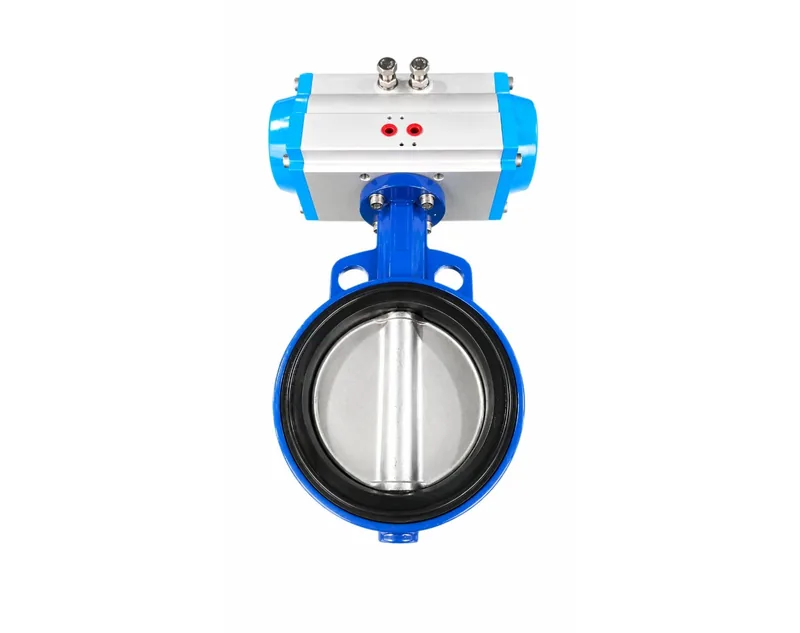
- Component quality: Ask about the origin and reliability of critical components such as actuators, gearboxes, sensors, and controllers. For instance, pneumatic actuators and limit switch boxes directly affect machine precision and uptime. You can explore pneumatic actuator options to understand typical specifications used in packaging applications.
- Testing and validation: Does the supplier perform in-house load testing, cycle testing, or run-off simulations before shipment? Request evidence of quality control processes.
- Reference projects: Ask for case studies in similar industries (food, beverage, chemical, pharmaceutical). Verify references independently.
A common mistake is to focus only on the machine’s headline specifications while ignoring the sub-components that drive reliability. For example, a limit switch box that fails after 100,000 cycles can shut down an entire line. Articles like this selection guide for limit switch boxes illustrate the technical depth needed when evaluating such components.
RFQ Structure: What to Include to Get Comparable Bids
A well-structured RFQ (Request for Quotation) is the most effective tool for obtaining apples-to-apples comparisons. The checklist below covers essential categories:
- Commercial section: Pricing model (fixed price vs. cost-plus), payment terms, delivery timeline, warranty period, spare parts price list.
- Technical section: Machine dimensions, weight, power requirements, air consumption, noise levels, safety features, control system type.
- Installation and commissioning: Who is responsible for site preparation, installation, calibration? Include travel and accommodation costs.
- Training and documentation: Operator training hours, maintenance manuals, electrical schematics, spare parts list.
- After-sales support: Response time for service requests, availability of local technicians, remote diagnostics capability.
- Spare parts and consumables: Lead time for critical spares, recommended consignment stock, compatibility with third-party components.
Require all suppliers to respond to the same structured template. This reduces ambiguity and makes it easier to identify where one supplier is over-delivering or under-bidding.
Validating Implementation Support and After-Sales Service
The purchase doesn’t end with delivery. Packaging machinery requires proper integration into existing lines, which often involves mechanical interfaces, control system integration, and process parameter tuning.
Key questions to ask potential suppliers:
- What is your standard commissioning process? Do you provide an on-site engineer for startup?
- How do you handle unexpected breakdowns? Is there a hotline or 24/7 support?
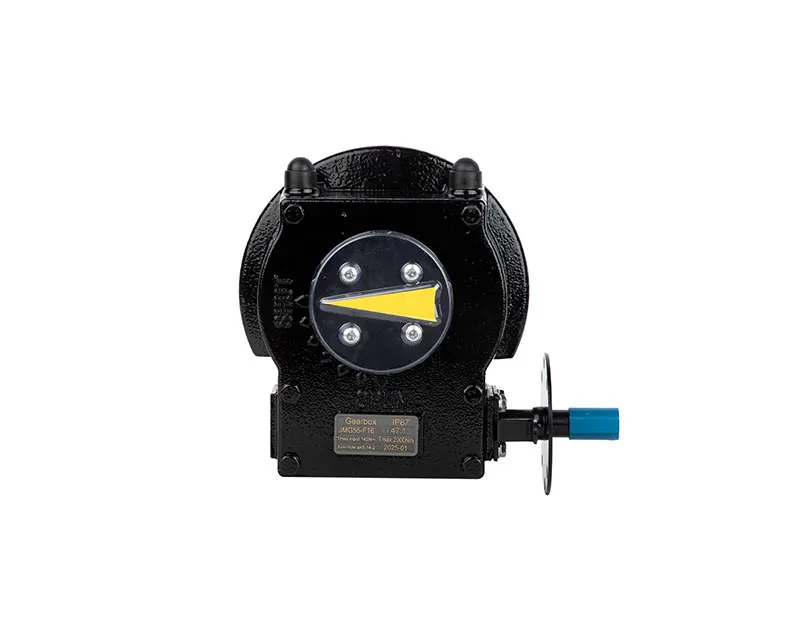
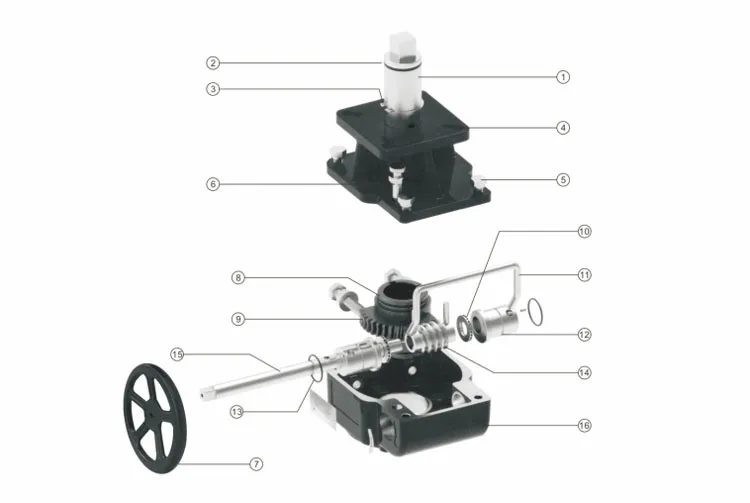
- What is the warranty coverage on components like actuators, gearboxes, and control boards? For instance, a valve gearbox used in a packaging line may have a different warranty than the main frame.
- Can you supply a recommended spare parts kit for the first year of operation?
Also, consider the supplier’s presence in your region. A local service center can mean faster repairs, lower travel costs, and better understanding of local regulations.
Common Procurement Pitfalls and How to Avoid Them
Even experienced procurement teams can fall into traps. Here are three frequent issues with packaging machinery purchases and mitigation strategies:
- Hidden lifecycle costs: A low initial price may hide expensive consumables, frequent part replacements, or high energy consumption. Mitigation: Ask for total cost of ownership (TCO) calculations over 3–5 years, including spare parts, maintenance labor, and energy.
- Underestimating integration complexity: New machines may not physically fit or communicate with existing equipment. Mitigation: Require suppliers to submit a mechanical and electrical integration plan as part of the RFQ.
- Over-reliance on one supplier: In a volatile market, a single source for critical machines creates supply risk. Mitigation: Qualify at least two suppliers for each machine type, even if you only order from one initially.
By anticipating these pitfalls, your team can build contractual protections and contingency plans.
Frequently Asked Questions (FAQ)
What is the typical lead time for packaging machinery?
Lead times vary widely by complexity and customization. Standard machines may take 6–12 weeks, while heavily customized lines can take 16–24 weeks. Always include lead time as a criterion in the RFQ and align it with your project timeline.
How do I validate a supplier’s stated throughput capacity?
Request documented cycle test results or arrange a factory acceptance test (FAT) where the machine runs under simulated production conditions. FAT is a standard practice before shipment.
Should I buy directly from the manufacturer or through a distributor?
Direct manufacturer relationships often provide better technical support and pricing, but distributors may offer faster local service and inventory. Evaluate based on the criticality of the equipment and your in-house engineering capabilities.
What is the role of automation components in packaging machine reliability?
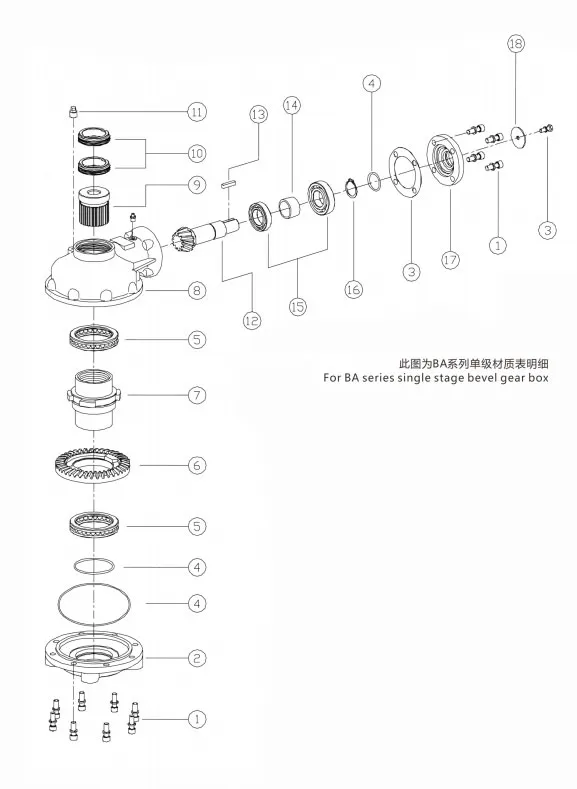
Components like pneumatic actuators, gearboxes, and limit switch boxes directly influence machine speed, accuracy, and durability. For example, in high-speed packaging, the limit switch box must have fast response and high cycle life. Consult resources such as the actuator accessory pages to understand typical specifications.
Conclusion
Packaging machinery procurement is a multi-dimensional decision that goes beyond price. By systematically defining technical requirements, evaluating supplier capability, structuring a detailed RFQ, and planning for implementation support, procurement teams can reduce risk and improve long-term outcomes.
Use the checklist mindset presented here as a starting point. Tailor each step to your specific industry, product, and operational context. The time invested in upfront evaluation pays dividends in reduced downtime, faster time-to-market, and lower total cost of ownership.
For further reading on related automation components, visit the Application Center on our website, which covers industrial sectors such as foodstuffs, chemical, and petroleum where packaging machinery plays a critical role.