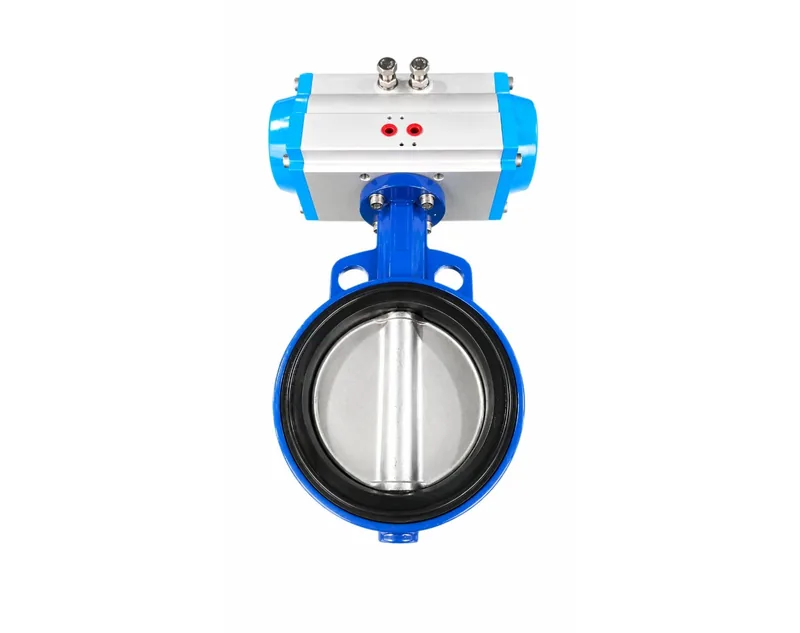
how JIMAI guarantee the on time delivery.
The maximal production capacity and flexibility of a factory are directly determined by the number of machining centers and CNC lathes, which are considered essential production equipment. Effectively addressing common issues such as insufficient capacity, order backlog, and delivery delays, sufficient CNC equipment reserves can enhance delivery levels in a variety of ways, including capacity, processes, risk management, flexible production, and quality.
JIMAI's capacity expansion and expedited bulk order delivery are enabled by its 90 CNC lathes and 40 machining centers. The overall output efficacy is considerably enhanced by the provision of multiple CNC lathes and machining centers. Additionally, Jimai has implemented robotic limbs on its CNC equipment to facilitate continuous operation for 24 hours. This has resulted in an increase in equipment utilization, a reduction in the production cycle for mass-produced orders, and the expeditious and rapid delivery of large-volume orders.
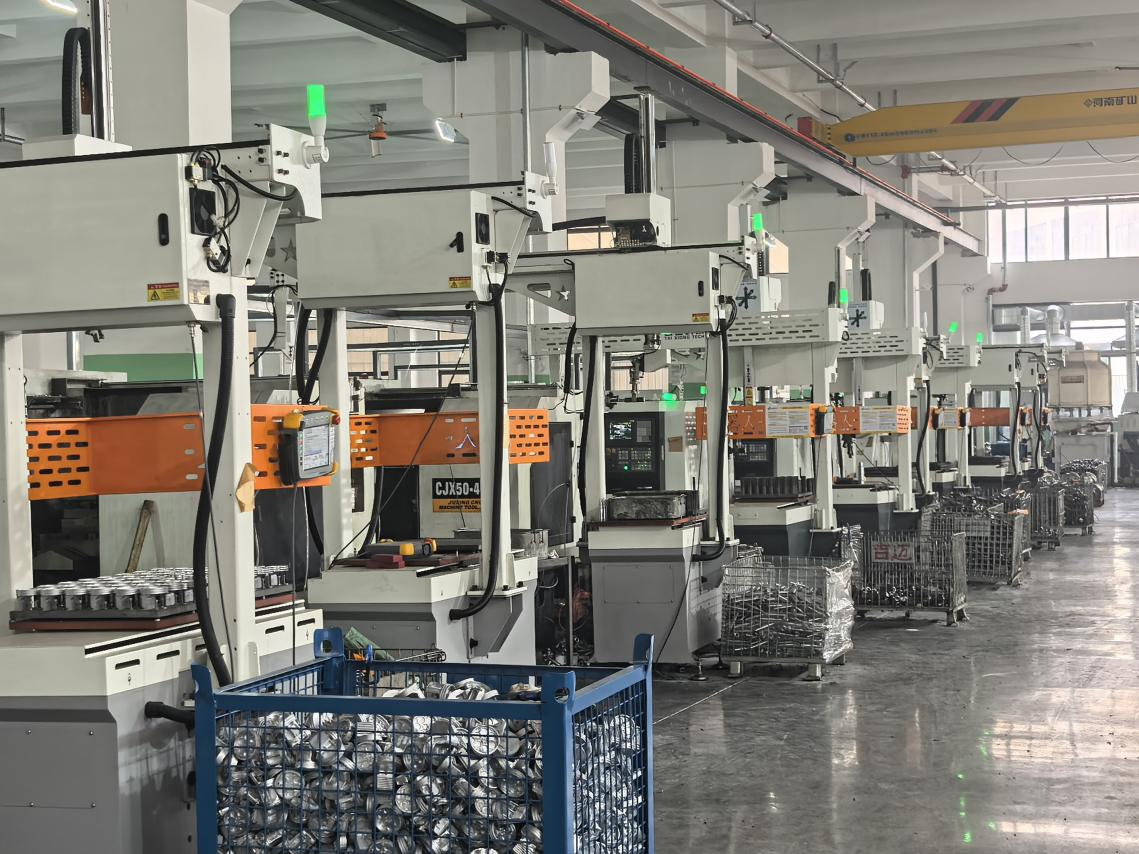
The diversion of production processes and the reduction of product turnover time are facilitated by a multi-equipment layout. Machining centers are well-suited for the precision machining of multifaceted parts and complex structures, while CNC lathes are particularly adept at machining shaft-type and disc-type rotating parts. These two kinds of machinery are mutually beneficial. Enabling process division of labor and dedicated machine usage, sufficient equipment reduces the number of workpiece disassembly, alignment, and transfer operations, streamlines the production chain, shortens the overall product turnaround time, and accelerates order delivery. Additionally, it reduces process changeover time.
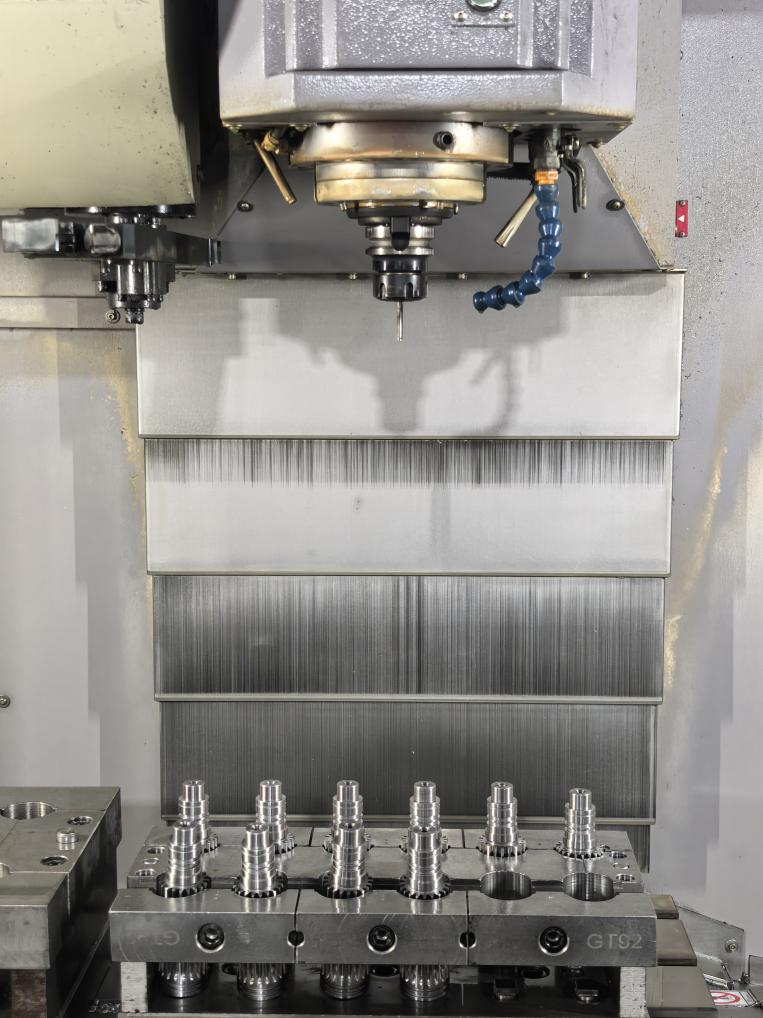
Production tolerance is enhanced and delivery time and quality are stabilized by a substantial equipment reserve. It prevents delivery delays that may result from equipment failure, maintenance, or occupancy, which can result in production stoppages. Companies possess spare capacity and can promptly transfer orders from inactive equipment to available equipment to maintain production, thereby preventing interruptions, when they possess an adequate amount of equipment. Simultaneously, they can independently manage urgent or customized orders, ensuring reliable fulfillment and stable delivery times by harmonizing regular production scheduling with emergency replenishment requirements.
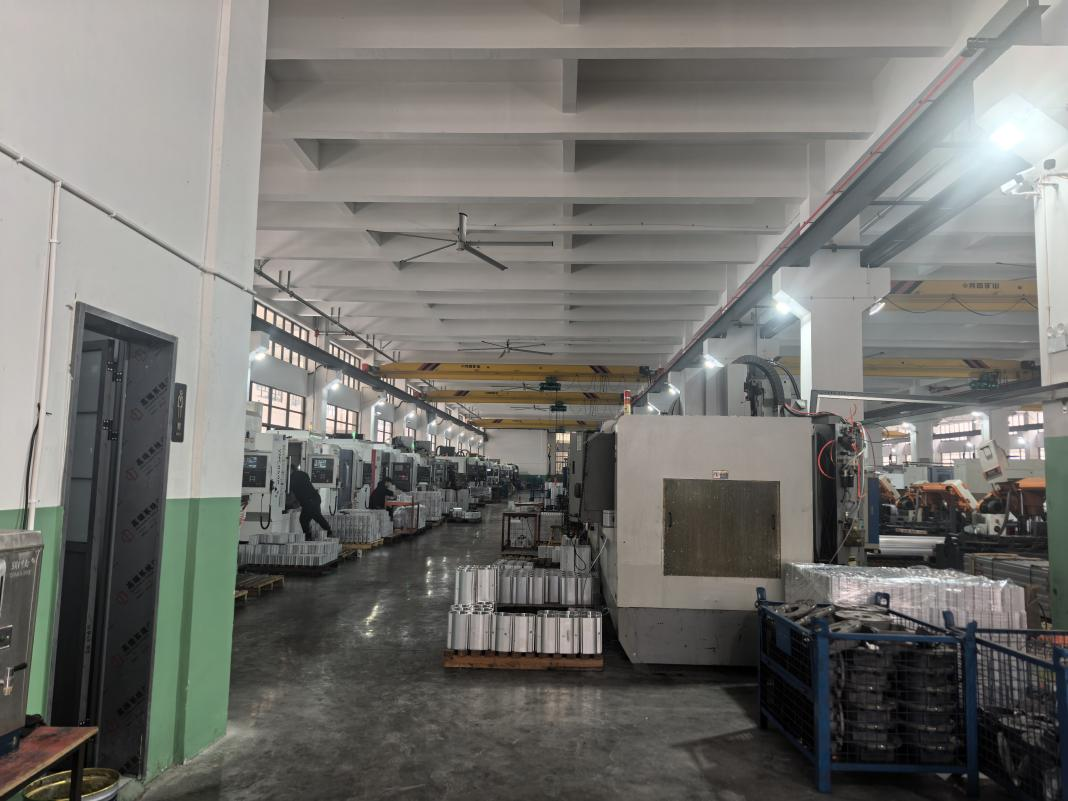
Additionally, the efficiency of delivery is indirectly optimized by the reduction of revision and waste rates that result from standardized CNC operations. The probability of defects and rework is reduced by the unified, standardized operations across multiple machines, which effectively reduce human error. CNC equipment provides stable and consistent machining precision. This minimizes the time spent on secondary processing and rework, prevents delivery delays caused by quality issues, and simultaneously enhances product quality and delivery efficiency.