Article Overview: Selecting packaging machinery is a high-stakes decision that involves balancing throughput, reliability, compliance, and total cost of ownership. Many teams fall into the trap of over-specifying based on marketing claims or under-specifying due to budget constraints. This article provides a neutral, criteria-based framework for evaluating packaging machinery, focusing on the components and subsystems that actually drive performance—such as actuators, gearboxes, limit switches, and control interfaces. By the end, you will have a repeatable decision process that reduces risk and aligns technical requirements with operational reality.
The Hidden Complexity of Packaging Machinery Selection
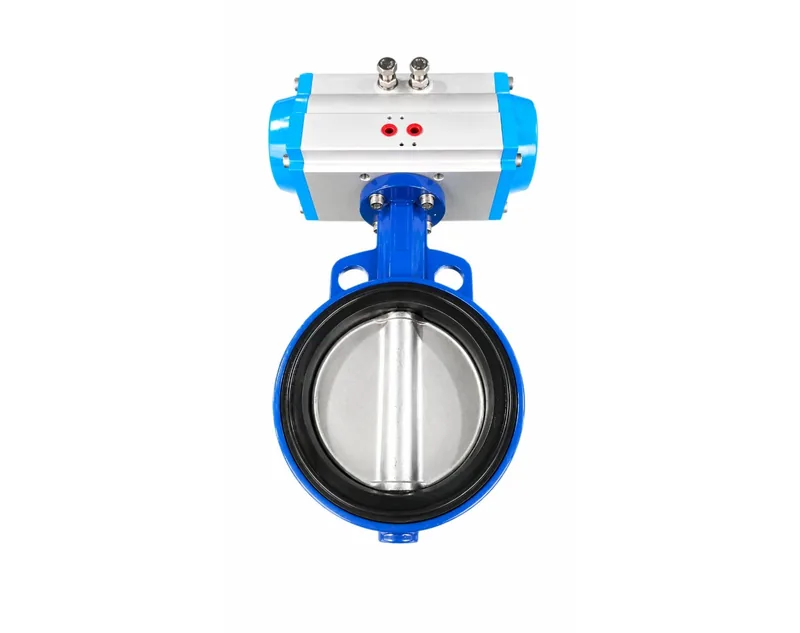
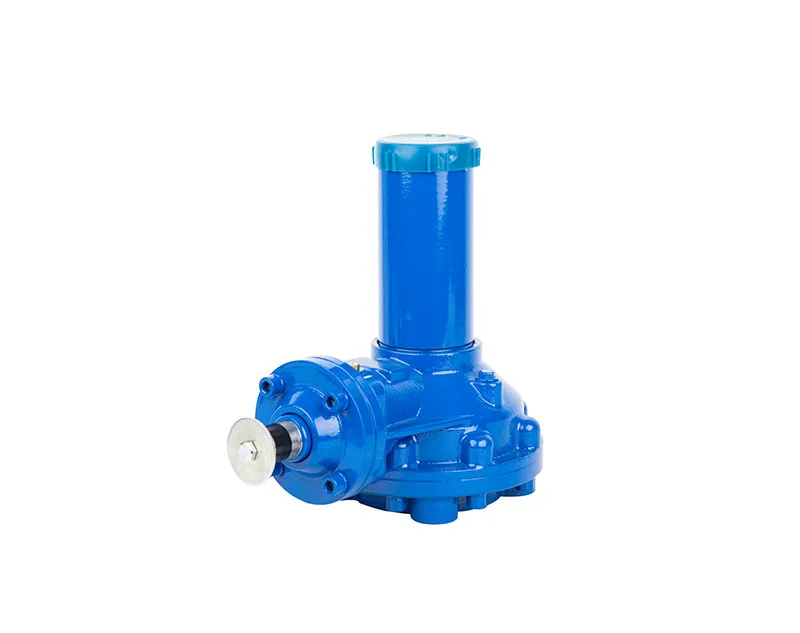
Packaging machinery is not a single product category—it is an assembly of mechanical, pneumatic, and electronic subsystems that must work in concert. Common mistakes include focusing on packaging speed without verifying the duty cycle of actuators, or choosing a film sealing module without checking compatibility with downstream controls. A typical line may include a pneumatic actuator for product diverting, a bevel gearbox for conveyor adjustments, and limit switch boxes for position feedback. Each component has its own operating envelope, and mismatches cause downtime.
For example, a team might select a high-speed servo-driven system while the rest of the line uses pneumatics with slower response times. The result is a bottleneck at the interface. The calmer approach begins with mapping the entire process flow—filling, sealing, labeling, palletizing—and then evaluating each subsystem's compatibility. Evidence from industry deployments shows that the most common failures are not in the primary machine but in auxiliary components like actuator accessories and control wiring.
Comparison Criteria: What Actually Matters
When comparing packaging machinery solutions, the following criteria provide an objective basis:
- Technical Fit: Does the machine handle your specific product dimensions, weight, and material (e.g., biodegradable films, rigid containers)? Verify cycle time under real load, not just theoretical maximum.
- Operating Implications: What is the mean time between failures (MTBF) for critical components? How easy is it to replace a valve gearbox or a limit switch? Ease of maintenance directly affects line uptime.
- Integration Effort: Does the machine communicate via standard protocols (EtherNet/IP, Modbus) or proprietary ones? Will your existing PLC need additional modules?
- Total Cost of Ownership (TCO): Include energy consumption, spare parts, training, and disposal. A cheaper machine may have expensive consumables.
These criteria are not weighted equally for every buyer. A food processor may prioritize washdown compliance (IP69K), while a chemical packager may focus on corrosion resistance. The comparison table below illustrates sample trade-offs for two hypothetical packaging lines:
| Criterion | Line A (High-Speed) | Line B (Flexible) |
|---|---|---|
| Throughput | 200 ppm | 80 ppm |
| Changeover time | 45 min | 10 min |
| Component standard | Custom servo | Off-the-shelf pneumatic actuator and bevel gearbox |
| Maintenance skill | Specialized | General |
Note: These are example scenarios for illustration.
Trade-offs in Automation and Control Components
A significant portion of packaging machine cost and reliability lies in automation components. Consider the choice between a rotary pneumatic actuator with scale indicator and a quarter-turn rack-and-pinion actuator. The former provides visual position feedback, simplifying initial setup; the latter is more compact and suited for high-cycle applications. Similarly, limit switch boxes like the APL-210N or ITS-300 offer different ingress protection and explosion-proof ratings. The APL-210N includes a visual indicator, quick-set cam, and terminal strip, making it straightforward for maintenance staff to adjust. The ITS-300 is designed for hazardous environments where remote signaling is mandatory.
Teams often over-specify by choosing explosion-proof components for non-hazardous areas, adding cost without benefit, or under-specify by omitting position feedback, leading to diagnostic nightmares. A calmer approach: map the operating environment (temperature, humidity, ATEX zone) and the required feedback granularity (binary vs. analog). Then match components from a catalog of proven designs, not just the most expensive option. For example, a valve gearbox must be selected based on torque requirements and mounting standards, not solely on price.
Decision Framework for Specification and RFQ
To avoid the chaos of last-minute compromises, adopt a structured RFQ process:
- Define functional requirements: List all operations (feed, seal, eject), speeds, and changeover frequency.
- Assess environment: Temperature, washdown, dust, explosive zones.
- Choose technology blocks: For each motion axis, decide pneumatic vs. electric actuation. Use a torque calculator to size actuators.
- Select control components: Limit switches, positioners, and gearboxes. Ensure compatibility with your control system (e.g., 24V DC, NAMUR mount).
- Request vendor evidence: Require MTBF data, spare parts availability, and reference installations similar to your application.
- Evaluate total cost: Request 5-year TCO including energy and maintenance parts.
This framework reduces the chance of specification errors. For instance, a team specifying a high-speed packaging line for the food industry would prioritize stainless steel construction and IP65-rated limit switches, while a chemical packaging line might require a declutchable gearbox for manual override during power loss. Incorporating an actuator accessory such as a position feedback module can further improve diagnostics.
Frequently Asked Questions
What are the common pitfalls when buying packaging machinery?
Pitfalls include ignoring duty cycle, selecting components without environmental rating, and failing to verify spare parts availability. Teams also frequently underestimate installation complexity.
How do I compare different packaging machine vendors?
Use standardized criteria: technical spec compliance, integration capability, support network, and total cost of ownership. Request a detailed bill of materials with manufacturer part numbers.
Should I choose pneumatic or servo-driven systems?
It depends. Pneumatics are cost-effective for simple, high-force motions with low cycle counts. Servo drives offer precision and programmability but require more maintenance skill. Hybrid solutions exist.
What role do limit switch boxes play in packaging lines?
Limit switch boxes provide position feedback to the controller, ensuring valves open/close correctly. They are critical for safety interlocks and diagnostics. Choose between standard and explosion-proof models based on environment.
Conclusion
Getting packaging machinery right requires a systematic, criteria-based evaluation rather than a feature checklist. By understanding the hidden complexity, applying objective comparison criteria, and using a structured RFQ framework, buying teams can avoid costly mistakes. The calmer way is to treat the machine as an integrated system of components—actuators, gearboxes, switches—and verify each for fit, operability, and total cost. This decision-support approach leads to packaging lines that run efficiently, maintain easily, and adapt to future product changes.