APL-210N Limit Switch Box Buyer's Shortlist Guide

2026.07.13

Article Overview: This guide equips procurement managers and project engineers with a structured approach to shortlisting and purchasing the APL-210N Limit Switch Box. It covers key features, supplier evaluation criteria, procurement checklists, and integration best practices with Valve Gearbox systems. Use this to reduce sourcing risk and ensure reliable valve position feedback.

What is the APL-210N Limit Switch Box?

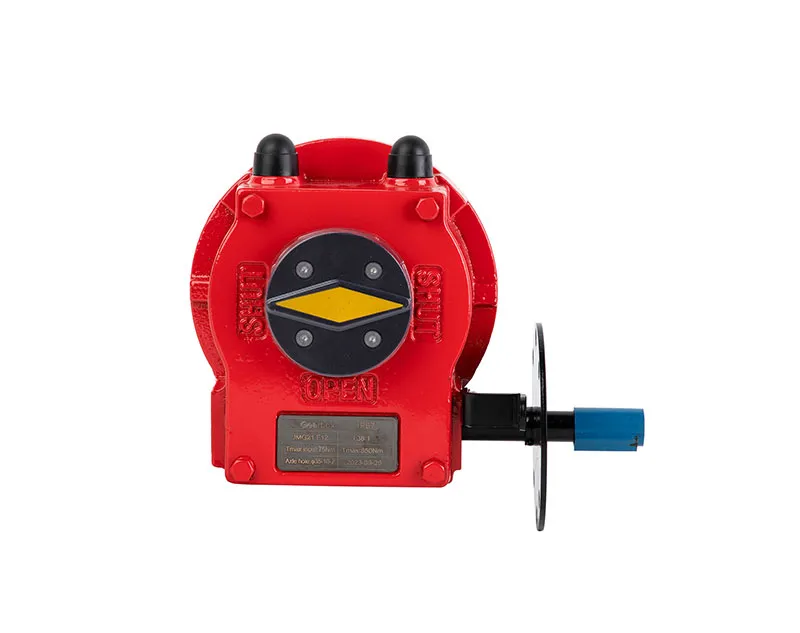
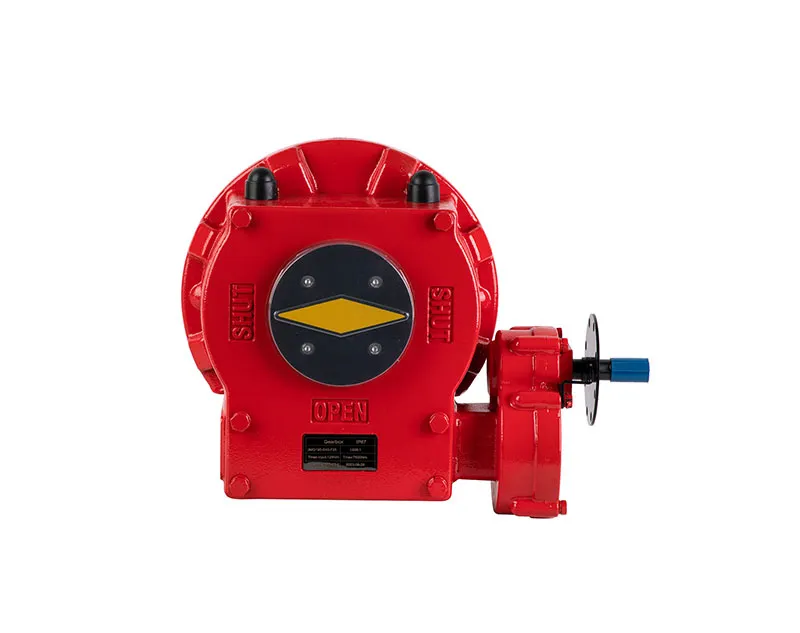
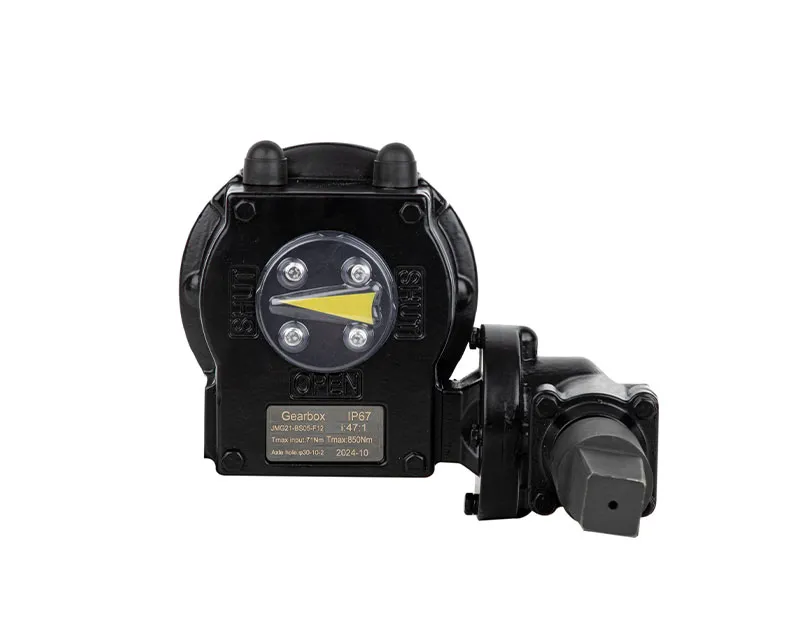
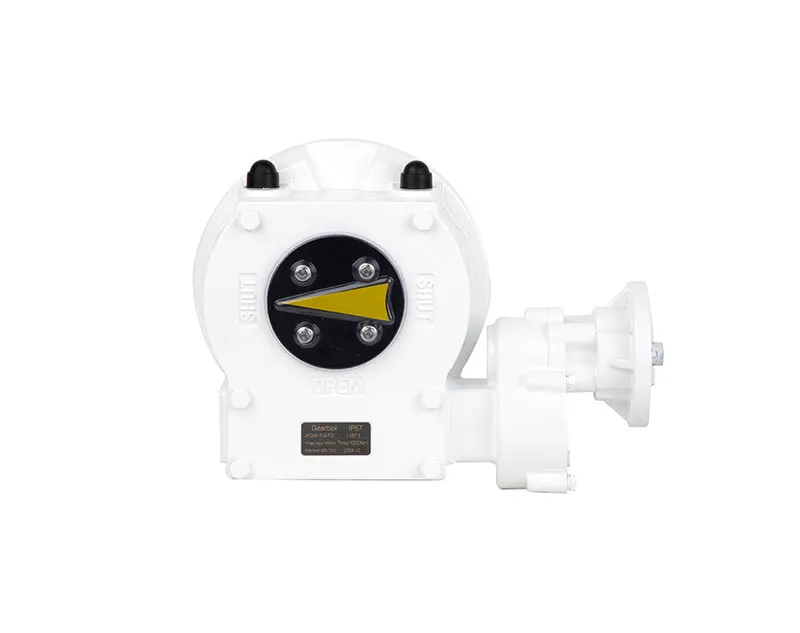
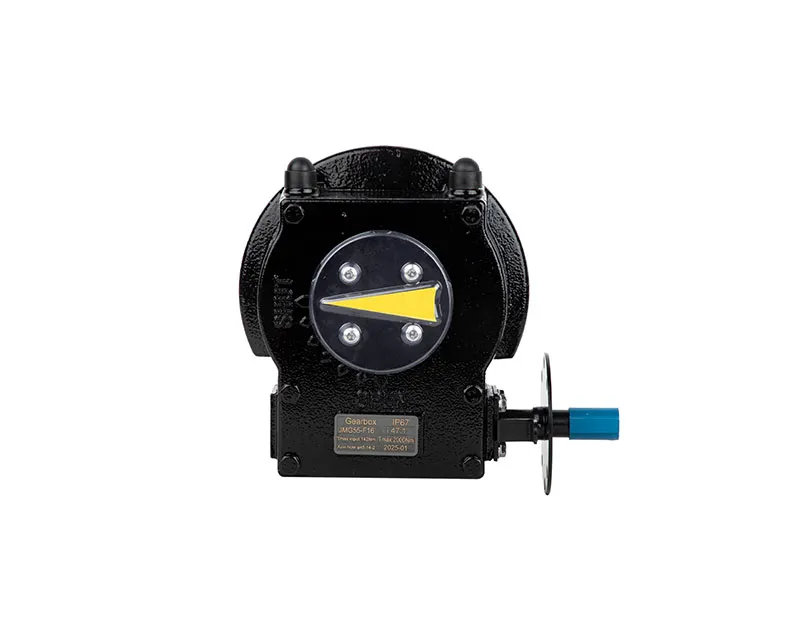
The APL-210N Limit Switch Box is a compact electromechanical device that provides remote indication and control of valve positions in automated fluid handling systems. It typically includes a visual position indicator, adjustable cams, a terminal strip for wiring, and a mounting bracket compatible with quarter-turn actuators. The device monitors open, closed, or intermediate positions and sends electrical signals to a control system.

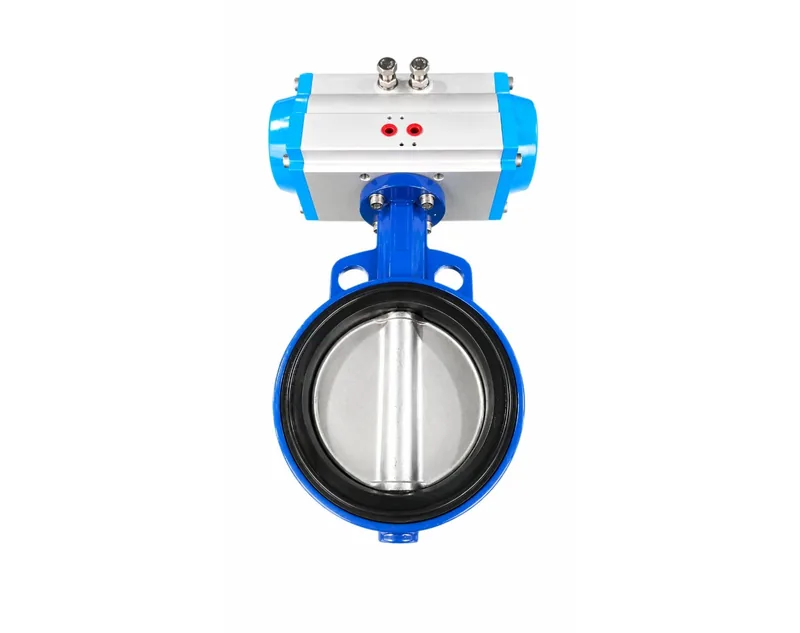
In industrial applications, the APL-210N is often paired with a Valve Gearbox to enable manual override or multi-turn actuation. Understanding its construction—such as the quick-set cam mechanism and ingress protection ratings (commonly IP67)—helps buyers match specifications to operating conditions.

How to Evaluate Suppliers for APL-210N Limit Switch Box?

APL-210N Limit Switch Box illustration

Selecting a supplier for the APL-210N Limit Switch Box requires more than price comparison. Focus on these criteria during vendor assessment:

  • Ingress protection and certifications: Verify IP rating (e.g., IP67) and any required certifications like ATEX, IECEx, or UL for hazardous environments.
  • Mechanical compatibility: Confirm bracket dimensions and shaft coupling fit with your actuator and Valve Gearbox models. Common standards include VDI/VDE 3845 or NAMUR.
  • Electrical specifications: Ensure switch type (SPDT, DPDT), voltage rating, and cable entry size match your control system. Standard entry is M20 x 1.5; alternative threads may be available.
  • Quality documentation: Request material certificates, test reports, and sample units for functional testing before bulk orders.

Consider whether standard off-the-shelf units or custom-engineered solutions better serve your application. Standard units offer lower lead times and cost for typical environments, while custom options address unique mounting, cam adjustment, or certification needs.

For a broader overview of related products, explore the range of actuator accessories that complement limit switch boxes.

Procurement Checkpoints: What to Verify Before Buying?

Before issuing an RFQ, use this structured checklist to align your requirements with supplier capabilities:

  1. Define the operating environment: Is the area classified for dust, gases, or chemicals? This dictates enclosure type and necessary certifications.
  2. Specify valve-actuator interface: Document shaft size, travel angle (typically 90° to 180°), and mounting standard (VDI/VDE 3845 or NAMUR).
  3. List electrical features: Include number of switches, cable entry size, and voltage/current ratings.
  4. Request technical documentation: Ask for CAD drawings, wiring diagrams, and declaration of conformity.

Follow this step to streamline evaluation:

Step 1: Technical Pre-Screening

Compare supplier datasheets against your mandatory specifications. Eliminate any that fail to meet IP rating, switch count, or mechanical interface requirements. Shortlist three to five suppliers for detailed quotation and sample review.

During the RFQ process, ask for a sample unit to perform in-house fit and function tests. This reduces the risk of field failures and ensures compatibility with your control system.

Integrating APL-210N with Valve Gearbox Systems

Proper integration of the APL-210N Limit Switch Box with a Valve Gearbox is critical for reliable operation. Pay attention to these aspects:

  • Mounting alignment: Ensure the switch box bracket attaches securely to the gearbox output flange without obstructing manual override. Verify that the shaft coupling aligns with the gearbox output shaft.
  • Cam adjustment: Set the cams to correspond precisely with the gearbox's full open and closed positions—typically 90° rotation for quarter-turn valves. Use the quick-set mechanism for accurate placement.
  • Signal wiring: Connect switch outputs (normally open or normally closed) correctly to the control system. Label wires clearly to simplify troubleshooting.

A typical scenario involves using the APL-210N on a quarter-turn actuator driven by a Valve Gearbox for multi-turn valves. The gearbox converts linear or multi-turn motion into quarter-turn rotation, which the switch box detects. To validate integration, follow this procedure:

Step 2: Integration Validation

Assemble the switch box on the gearbox test stand. Manually stroke the valve through its full travel and verify that the position indicator and electrical continuity match at both end positions. Document cam setpoints and create a wiring checklist for field installation.

For further guidance on selecting and sizing gearboxes, refer to the dedicated Valve Gearbox solution page, which covers torque ratings, reduction ratios, and application examples.

FAQ

What certifications should the APL-210N Limit Switch Box have?

Common certifications include CE, RoHS, and ATEX for explosion-proof variants. Confirm with your supplier if regional approvals such as IECEx or UL are required for your location and industry.

Can the APL-210N be used with double-acting actuators?

Yes. The switch box is mechanically independent of actuator type—it interfaces via the shaft. It works with both spring-return and double-acting actuators. Adjust the cam and indicator for the correct travel direction.

How do I size the cable entry for the APL-210N?

The standard cable entry is M20 x 1.5. If you need PG or NPT threads, specify this in your RFQ. The terminal strip typically accepts conductors from 1.5 mm² to 2.5 mm².

Conclusion

Building a defensible shortlist for the APL-210N Limit Switch Box requires clear requirement definition, structured supplier evaluation, and careful integration planning with components like the Valve Gearbox. Use the checklists and flow blocks in this guide to reduce procurement risk and ensure your final choice delivers reliable valve position feedback. Start with technical pre-screening and always test samples before committing to volume orders.

Talk to Our Expert

CHAT NOW
Talk to Our Expert.
Captcha Code
GET IN TOUCH NOW
img

Quick Help: Contact one of our experts and we'll get back to you in 24 hours!

We value your privacy
We use cookies to provide you with a better online experience, analyse and measure website usage, and assist in our marketing efforts.
Accept All