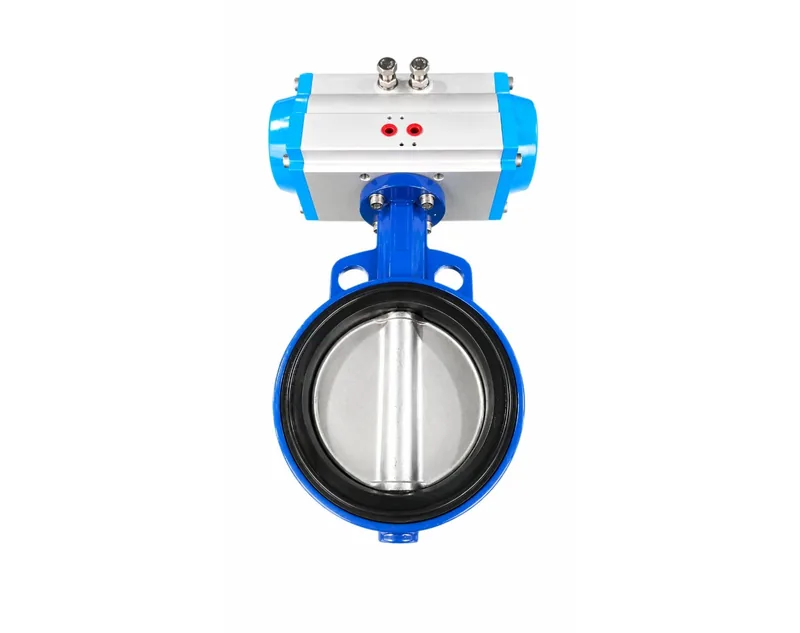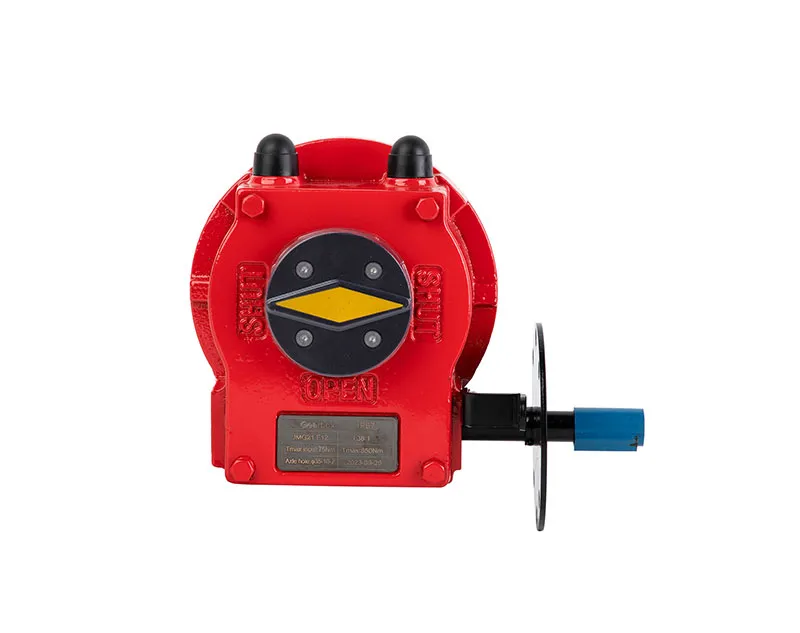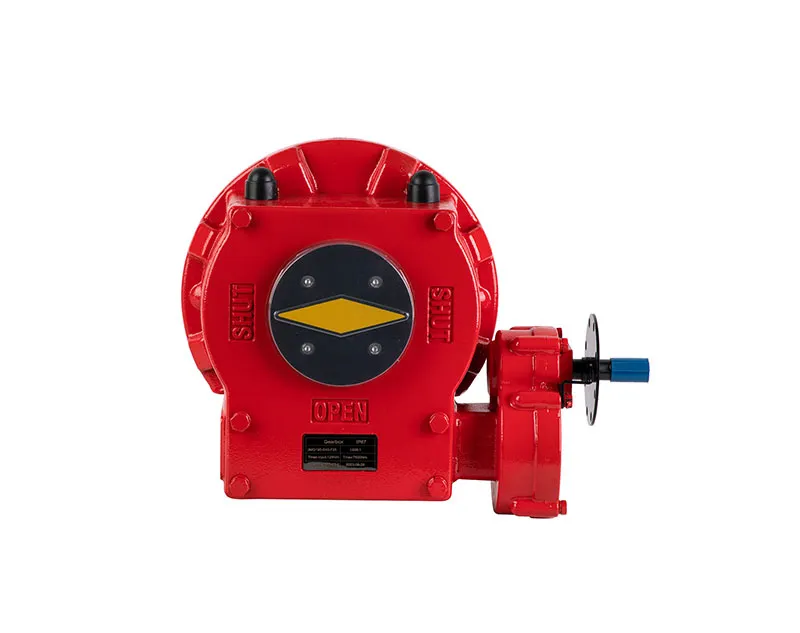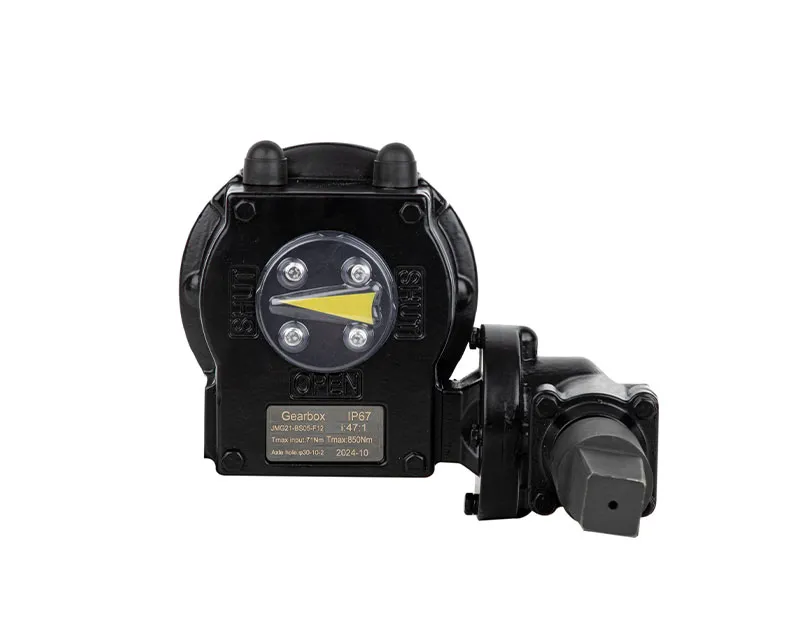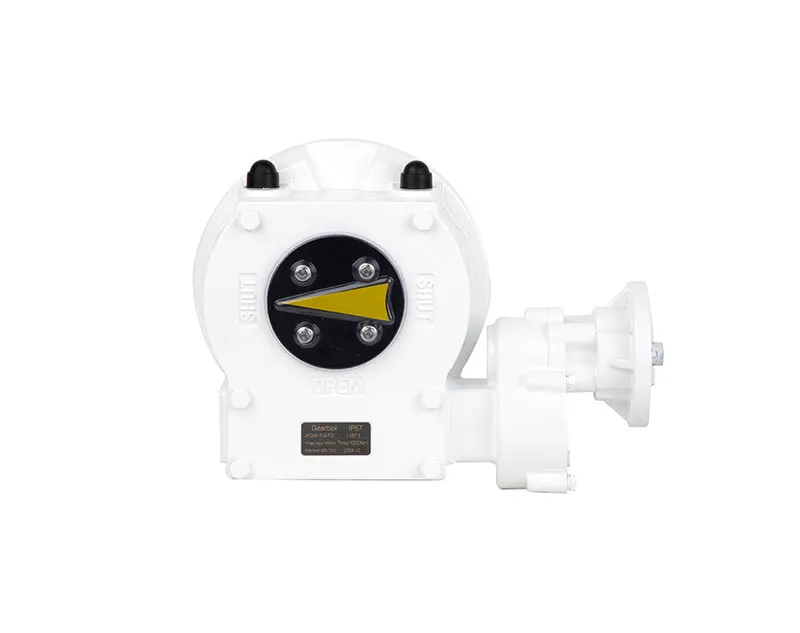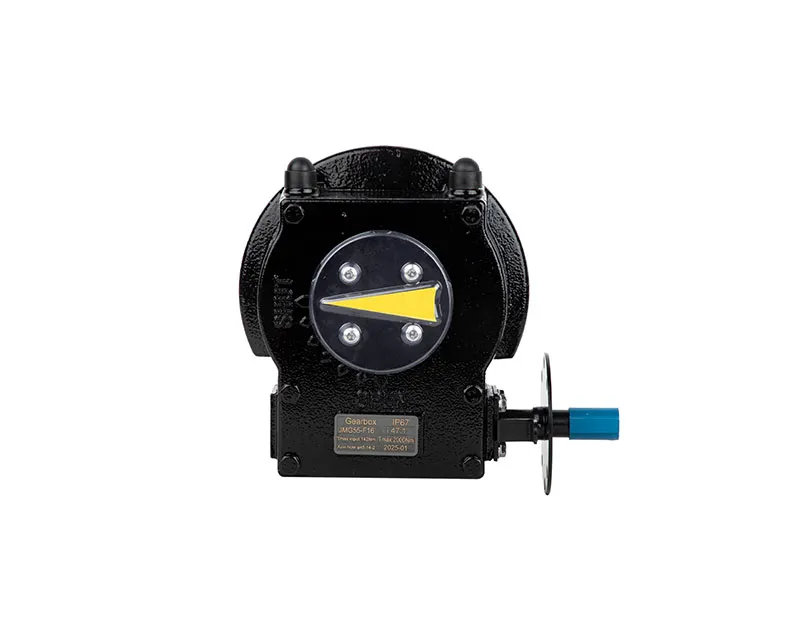
Article Overview: This guide helps procurement managers, sourcing teams, and project engineers evaluate the APL-210N Limit Switch Box. It covers core components, supplier assessment criteria, specification validation, and common pitfalls—all to support a confident RFQ and reduce decision risk. Whether you are integrating with a Valve Gearbox solution or a pneumatic actuator, this checklist will keep your purchase on track.
What Does the APL-210N Limit Switch Box Include?

The APL-210N Limit Switch Box delivers reliable valve position feedback for automated control systems. Its typical contents include a visual position indicator, a quick-set cam mechanism, a terminal strip for electrical connections, and a mounting bracket designed for direct attachment to a pneumatic actuator or a Valve Gearbox system. Understanding each component helps buyers confirm that the unit meets their application needs.
- Visual position indicator: Provides local open/closed status without additional instrumentation.
- Quick-set cam: Enables fast adjustment of switch actuation points during commissioning.
- Terminal strip: Simplifies wiring to a PLC or control system.
- Mounting bracket: Matches standard actuator interfaces (e.g., VDI/VDE 3845 NAMUR).
When sourcing, verify that the included bracket dimensions align with your valve assembly. Request dimensional drawings from the supplier before issuing a purchase order.
How to Evaluate APL-210N Limit Switch Box Suppliers?
Supplier evaluation should focus on product consistency, technical support, and delivery reliability. Use this multi‑step process to structure your assessment.
Step 1: Request Technical Documentation
Ask for a datasheet specifying operating temperature range, ingress protection (IP) rating, and electrical ratings (e.g., voltage, current). Verify that the data matches your installation environment.
Step 2: Evaluate Manufacturing Quality
Inquire about enclosure material (e.g., aluminum, polymer) and cam material. Some suppliers offer corrosion‑resistant options. Check if the unit has been tested for mechanical endurance (e.g., 1 million cycles).
Step 3: Compare Pricing vs. Total Cost of Ownership
Obtain quotes from at least three vendors. Beyond unit price, factor in warranty terms, replacement part availability, and lead time. A lower upfront cost may be offset by longer downtime if spares are not readily accessible.
- Check supplier certifications (ISO 9001, ATEX if applicable).
- Request sample units for functional testing.
- Review references from similar industries (e.g., chemical, oil & gas, water treatment).
What Specifications Should You Verify Before Purchase?
Buyers often overlook critical parameters that affect long‑term performance. The checklist below helps ensure the APL‑210N Limit Switch Box matches your application.
- Switch type: Mechanical micro‑switches vs. proximity sensors. Determine compatibility with your control system voltage (e.g., 24 VDC, 120 VAC).
- Environmental protection: IP65 is common for indoor use; IP67 or NEMA 4X may be required for wash‑down areas.
- Cam adjustment range: Confirm the cam can be set to desired open/closed positions without interference.
- Terminal strip capacity: Ensure enough terminals for your signal contacts (e.g., 2 x SPDT).
- Mounting interface: Verify compliance with VDI/VDE 3845 (NAMUR) standard.
If your system uses a Valve Gearbox, confirm that the limit switch box can be mounted without additional adapter plates. Many suppliers provide a compatibility matrix for common actuator and gearbox models.
What Common Procurement Mistakes Should You Avoid?
Based on industry feedback, procurement teams often encounter the following issues when sourcing the APL‑210N Limit Switch Box. Awareness can prevent delays and rework.
- Mistake 1: Ignoring ambient temperature extremes. Non‑rated switches may fail in high‑heat or freezing environments. Specify the required temperature range in your RFQ.
- Mistake 2: Overlooking cable entry type. Some boxes have pre‑threaded entries (e.g., M20, ½” NPT). Ensure they match your cable glands.
- Mistake 3: Assuming identical spare parts. Cam profiles and terminal layouts can vary between production batches. Request traceability records if batch‑to‑batch consistency is critical.
- Mistake 4: Not validating switch actuation force. In applications with low‑torque actuators, a high‑force switch may prevent proper operation. Check the switch operating force in the datasheet.
To mitigate these risks, include a clear specification sheet in your RFQ and ask suppliers to sign off on each parameter. Request a pre‑shipment inspection sample.
FAQ
Is the APL-210N Limit Switch Box suitable for explosion‑proof applications?
Standard APL‑210N models are not explosion‑proof. For hazardous areas, consider a rated explosion‑proof limit switch box (e.g., Exd IICT6). Always verify the area classification before selecting a limit switch box.
Can the APL-210N be used with any valve actuator?
It is designed for use with actuators and gearboxes that comply with VDI/VDE 3845. Confirm the mounting pattern and shaft size. Most quarter‑turn actuators with NAMUR interface are compatible.
What is the typical warranty period for the APL-210N?
Warranty varies by supplier, typically 12 to 24 months. Ask about terms for mechanical wear and electrical failure. Extended warranties may be negotiable for volume orders.
How do I adjust the cam positions on the APL-210N?
The cam is tool‑adjustable. Loosen the set screw, rotate the cam to the desired actuation point, and retighten. A visual indicator on the cam helps determine open/closed settings. Always refer to the manufacturer’s manual.
Conclusion
The APL‑210N Limit Switch Box remains a cost‑effective choice for valve position feedback in many industrial settings. However, a successful purchase goes beyond comparing price—it requires careful evaluation of specifications, supplier capability, and application fit. By using the checklists and evaluation steps outlined in this guide, procurement teams can make informed decisions and reduce the risk of project delays. For further assistance, explore complementary components for your automation system, such as Actuator Accessory options and Valve Gearbox solutions.