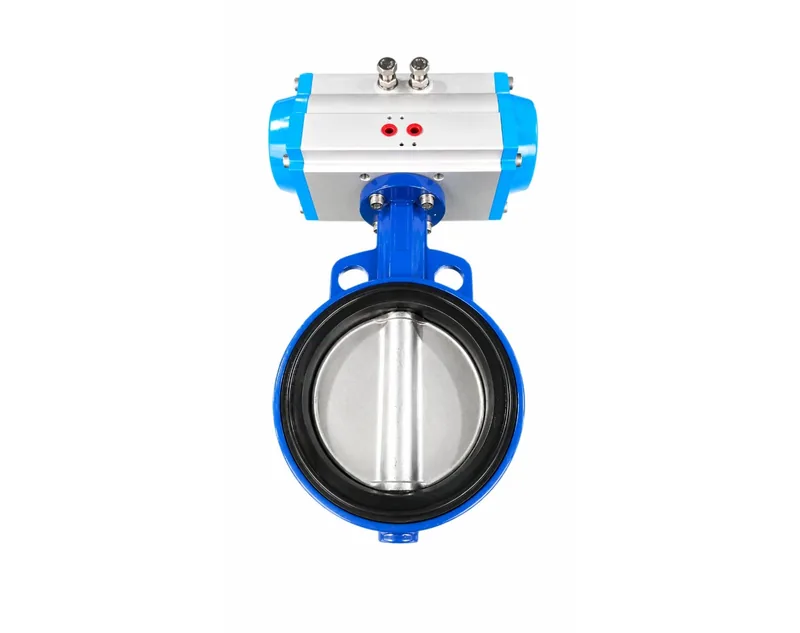
What is a gearbox on a valve
A large gate valve on a 12-inch pipeline can require more than 2,000 N·m of torque to open from a fully seated position. No operator can generate that force by turning a bare handwheel. A valve gearbox is the mechanical device that bridges that gap — but its role goes beyond simply making a valve easier to turn.
This article explains what a valve gearbox does, how it differs from an actuator, the main types available, and the factors that determine whether a gearbox is the right solution for a given valve.
The Core Function: Torque Amplification and Controlled Movement
A valve gearbox is a mechanical device that modifies the torque and rotational speed needed to operate a valve. It increases input torque, reduces speed, and can change the direction of rotation, making it easier to open, close, or adjust large or high-pressure valves.
In practical terms, the gearbox sits between the input source (a handwheel or an actuator) and the valve stem. It uses a series of interlinked gears to create a mechanical advantage — the output torque delivered to the valve stem is multiple times greater than the input torque applied by the operator.
A simple example makes this concrete. If a handwheel-driven gearbox has a 4:1 ratio, turning the handwheel four times produces one full rotation of the output gear. But each turn of the handwheel requires only one-quarter of the effort needed to turn the valve stem directly. This ratio principle applies whether the input comes from a human operator or a powered actuator.
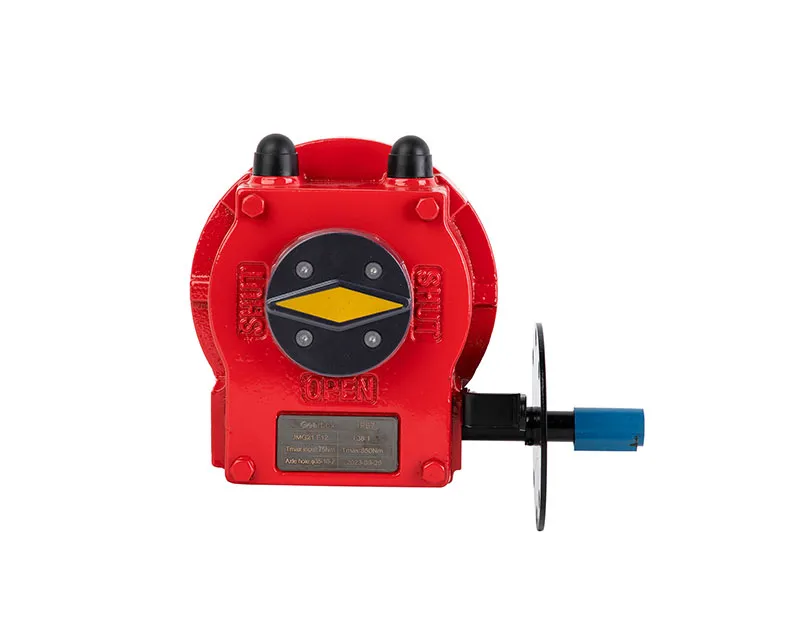
The Valve Gearbox product range covers output torque from 260 N·m to 150,000 N·m, and this overview shows how different configurations handle quarter-turn and multi-turn valve operation.
Gearbox vs. Actuator: Different Tools for Different Jobs
These two components are often confused, but they serve different purposes. A gearbox is a purely mechanical torque multiplier. An actuator is a powered device — pneumatic, electric, or hydraulic — that drives the valve automatically.
| Aspect | Gearbox | Actuator |
|---|---|---|
| Power source | Human input (handwheel) or actuator input | Pneumatic, electric, or hydraulic supply |
| Primary function | Amplify torque and reduce operating effort | Automate valve operation without manual intervention |
| Fail-safe capability | None on its own | Spring-return models provide fail-safe positioning |
| Typical use case | Large valves that are operated infrequently | Valves requiring frequent, remote, or automated operation |
| Self-locking | Worm gearboxes can hold position without brakes | Actuators may require separate braking or locking mechanisms |
A gearbox alone does not provide fail-safe action. If the air supply is lost, a pneumatic actuator with a spring return will move the valve to a safe position — but a gearbox has no such capability unless paired with an actuator that does.
This distinction matters during selection. If the valve must fail closed or fail open on power loss, a gearbox alone is insufficient. The gearbox must be specified as part of an actuator-gearbox assembly that includes the required fail-safe mechanism.
When a manual gearbox is combined with a pneumatic actuator for automated operation with manual override capability, the declutchable gearbox option is designed for this specific configuration. In oil & gas pipeline applications, this setup is commonly used for emergency shutdown valves where both remote operation and fail-safe manual intervention are required.
Quarter-Turn vs. Multi-Turn: Matching Gearbox Type to Valve Stroke
The most fundamental classification of valve gearboxes is based on how the valve operates — whether it requires a 90-degree rotation or multiple full turns of the stem.
Quarter-turn gearboxes
Quarter-turn gearboxes, also called worm gearboxes, convert multiple rotations of the input handwheel into a single 90-degree rotation of the output shaft. Adjustable mechanical end stops prevent over-travel beyond the 90-degree stroke. These are used with ball valves, butterfly valves, and plug valves — any valve where the flow-controlling element moves through a quarter turn to fully open or close.
The worm gear design used in most quarter-turn gearboxes offers a self-locking feature: once the valve is positioned, the gearbox holds it in place without requiring a separate brake. This prevents accidental movement or backflow caused by vibration or pressure fluctuations in the line.
Multi-turn gearboxes
Multi-turn gearboxes allow the drive gear to rotate continuously. The number of output rotations depends on the gear ratio, and there is no mechanical stop at a fixed angle. These are suited to valves that require multiple stem rotations for full travel — gate valves, globe valves, knife gate valves, and penstock valves.
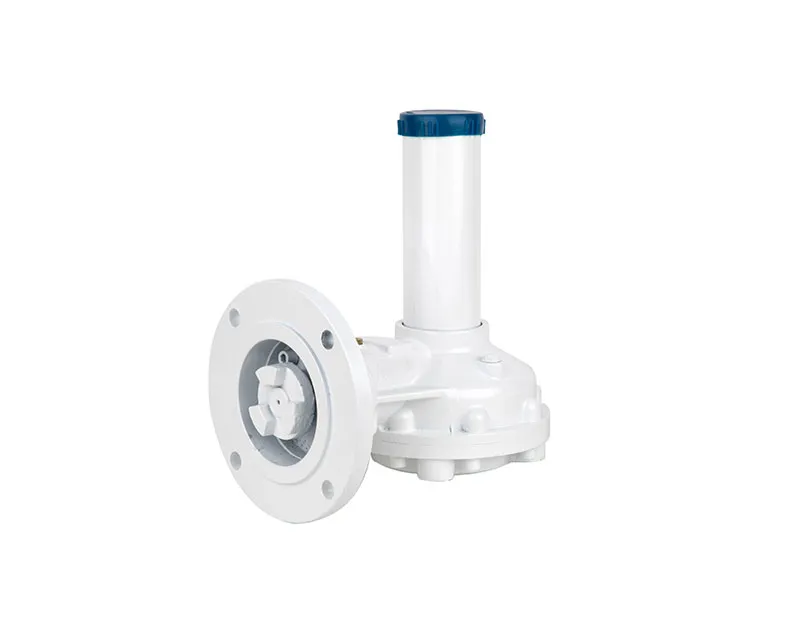
Multi-turn gearboxes are commonly built with bevel gears or spur gears. Bevel gearboxes are particularly useful when the input shaft must be at a 90-degree angle to the valve stem, which is common in confined installations where a straight-line handwheel would not have clearance.
For multi-turn applications with gate and globe valves, the Bevel Gearbox range is designed specifically for this stem movement pattern.
When a Gearbox Becomes Necessary
A valve gearbox is not required for every valve. Small quarter-turn ball valves with low break torque can be operated with a lever or a directly mounted handwheel. The decision point generally arises when one or more of the following conditions are met:
-
The valve is large (typically 6 inches or above for critical service). As valve size increases, the torque required to operate it rises sharply. A gearbox provides the mechanical advantage needed to keep the valve operable by hand.
-
The valve operates at high pressure. Higher line pressure increases the seating and unseating forces. A gearbox ensures the operator can still generate the required torque without excessive physical effort.
-
The valve is operated infrequently. A gearbox is a cost-effective alternative to a powered actuator for valves that are opened or closed only during maintenance or emergency procedures.
-
The installation space is limited. A bevel gearbox changes the direction of the input, allowing the handwheel to be positioned where there is clearance to operate it.
-
The valve must hold position without back-driving. Worm gearboxes are self-locking under normal service conditions, which prevents the valve from drifting due to line pressure or vibration.
The first step in any gearbox selection is obtaining the valve manufacturer's torque data — break-to-open, running, and end-to-close torque for quarter-turn valves; unseating and seating thrust for multi-turn valves. The gearbox output rating must exceed the valve requirement with the project-specified safety factor applied. For quarter-turn butterfly and ball valve applications, the JMG Series Rotary Valve Gearbox provides documented torque ratings from 260 N·m to 150,000 N·m with a self-locking worm gear design.
Practical Application Scenario
Scenario: A buried butterfly valve on a water distribution main.
A DN400 butterfly valve is installed 2.5 metres below grade. The valve requires 3,200 N·m of break-to-open torque. The operator needs to open and close the valve from surface level, and the installation must withstand periodic flooding.
Key considerations for this scenario:
| Factor | Implication |
|---|---|
| Buried installation | The gearbox must be configured with a pipe network extension — a standard handwheel gearbox cannot be reached |
| Flood exposure | IP68 protection is required, not IP67 |
| Torque requirement | The gearbox must have an output rating above 3,200 N·m with the project safety factor applied |
| Valve type | Butterfly valve — quarter-turn gearbox with 90-degree output stroke |
| Mounting interface | ISO 5211 flange size must match the valve top flange |
In this case, a gearbox alone solves the torque problem. But the gearbox must be specified as a pipe network configuration, not a standard handwheel model, because the operator cannot access the buried valve directly. The pipe network option places the handwheel at surface level while the gearbox remains at the valve.
Next Step: From Understanding to Specification
Once the basic function of a valve gearbox is clear, the next question is which specific configuration fits your valve and installation. That decision depends on four factors: valve stroke type (quarter-turn or multi-turn), required output torque, mounting interface dimensions, and operating environment..
Before comparing specific models, the guide on How to Order a Valve Gearbox walks through the six data groups every enquiry should include — from torque values and mounting interfaces to operating environment and delivery requirements.
Related Reading
-
How to Order a Valve Gearbox: A Practical RFQ Data Checklist
-
Bevel Gearbox vs. Valve Gearbox: When to Use Each Type
-
Declutchable Gearbox: Adding Manual Override to Automated Valves
-
ISO 5211 Mounting: What Engineers Need to Verify Before Ordering
-
Valve Gearbox IP Ratings Explained