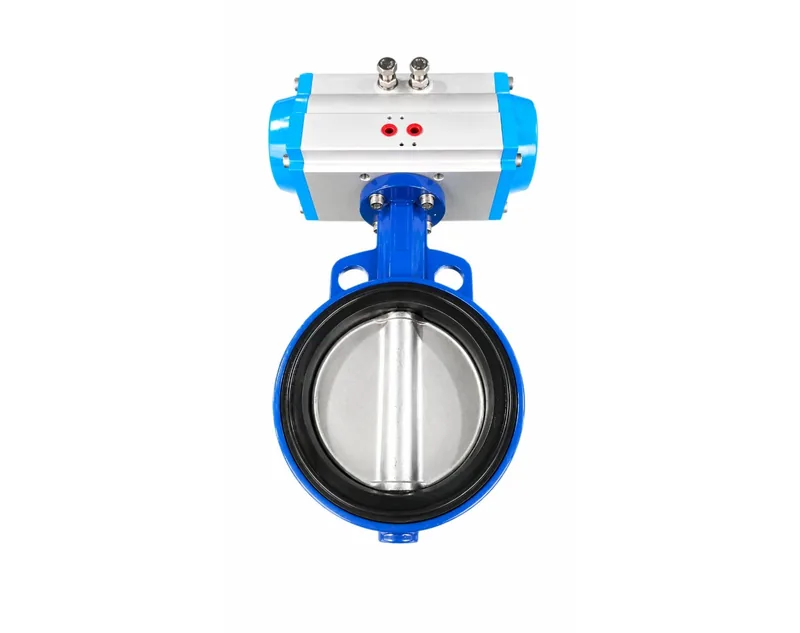
What is the purpose of a gearbox in a mechanical system
A valve gearbox, alternatively referred to as a transmission, is an essential element in numerous mechanical systems. Its main function is to adjust the speed and torque delivered by a power source, such as an electric motor or an internal combustion engine, in order to more effectively meet the demands of the driven apparatus.
The JIMAI valve gearbox is manufactured in compliance with the ISO9001 quality management system and is validated with IP67 and IP68 ratings, demonstrating the valve gearbox's exceptional waterproof performance. JIMAI valve gearboxes are engineered for use with quarter-turn valves and can be equipped with an electrical actuator.
The JIMAI valve gearboxes are designed to provide an output torque spanning from 260 NM to 150,000 NM and will continue to develop higher torque models to suit virtually all operational requirements.
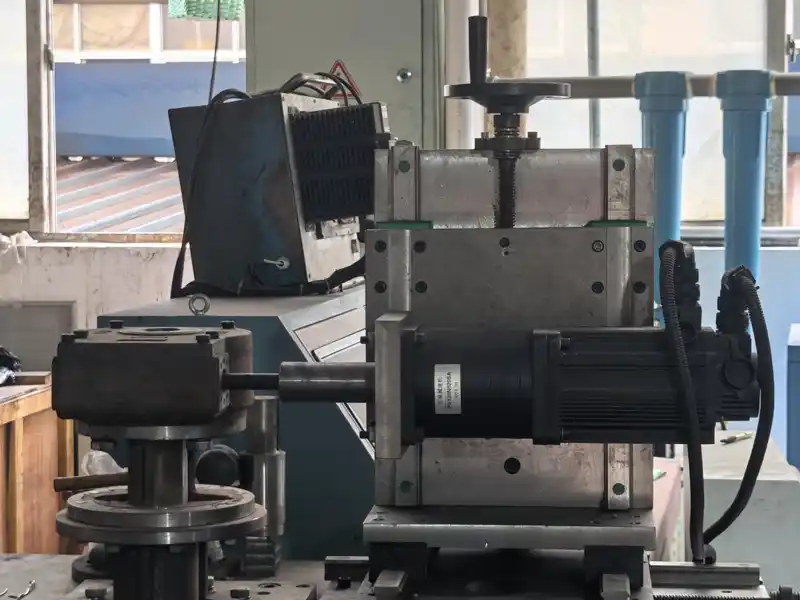
Most power sources function effectively within a limited range of high velocities but generate comparatively low torque. Many applications, however, necessitate high torque at reduced speeds—for instance, a vehicle ascending an incline or an industrial conveyor transporting a heavy load. This is the point at which the valve gearbox becomes indispensable. By employing a combination of gears of varying sizes, a gearbox can decrease the output speed while concurrently increasing the torque. This process is governed by the principle of conservation of energy; the power input is approximately equal to the power output, minus negligible losses attributable to friction.
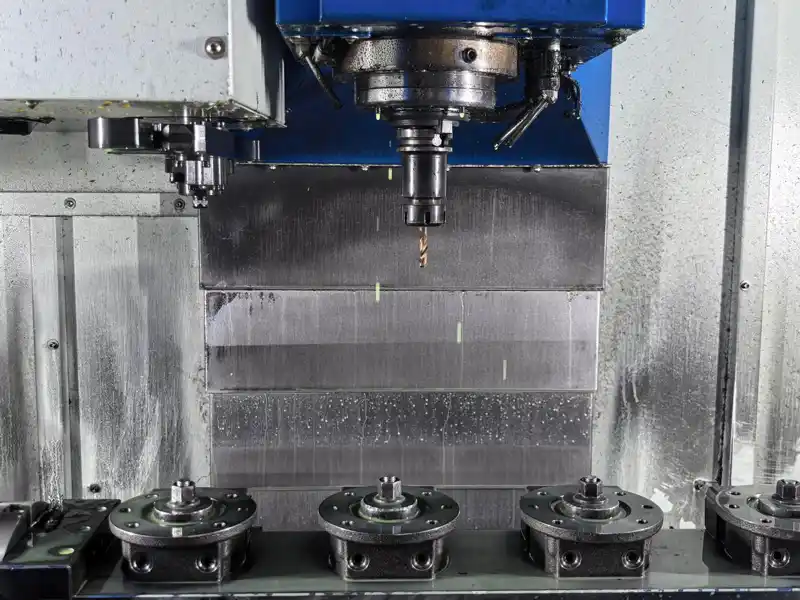
Conversely, certain systems demand higher speed and lower torque, which can also be supplied by a transmission. Furthermore, valve gearboxes have the capability to alter the direction of rotation, as exemplified by the differential in an automobile, which enables two wheels to rotate at distinct velocities.
In summary, the valve gearbox functions as an essential intermediary, ensuring that the power produced by a source is transmitted in the most appropriate and efficient combination of speed and torque for the particular application, thereby safeguarding the motor from undue stress and facilitating optimal system performance.