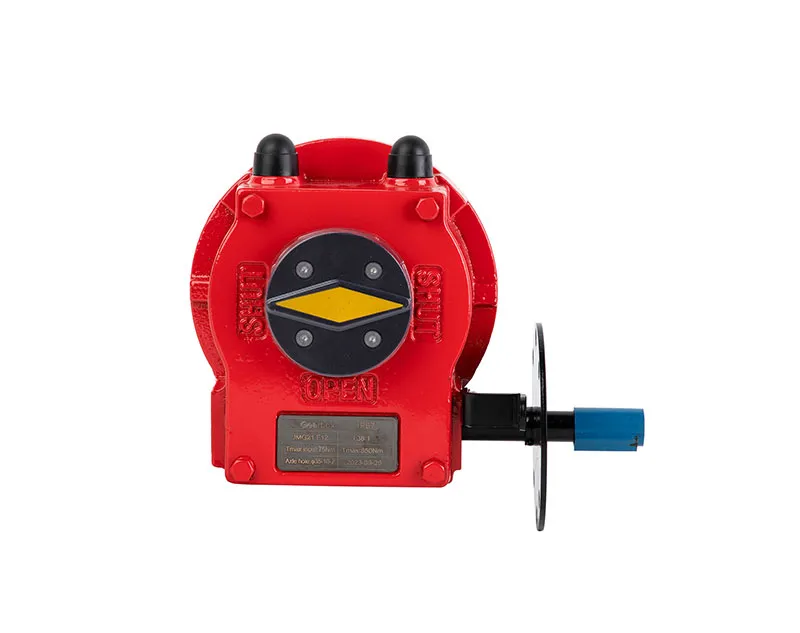
Article Overview: A practical guide for procurement managers to evaluate packaging machinery suppliers, build an effective RFQ, and avoid costly mistakes. Includes decision criteria and validation checkpoints.
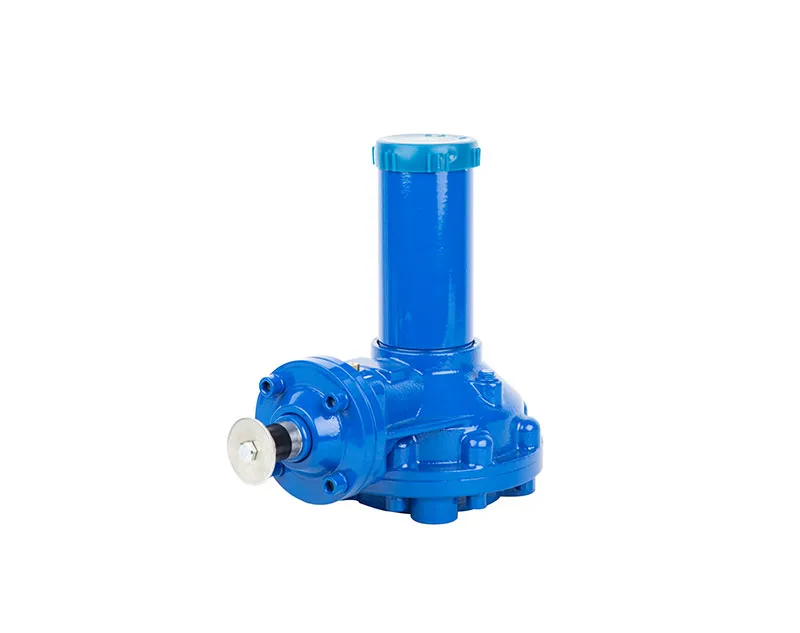
Article Overview: This guide is written for procurement managers, sourcing teams, and project engineers who are evaluating packaging machinery suppliers and preparing RFQs. It covers where packaging machinery is used in real projects, key decision criteria, how to structure an RFQ, what to validate before purchase, and common pitfalls to avoid. The goal is to reduce procurement risk and ensure supplier fit.
Where Packaging Machinery Fits in Real Projects
Packaging machinery is not a monolithic category. It appears in industries ranging from food and beverage to chemicals, pharmaceuticals, and construction materials. In each setting, the machinery must integrate with existing production lines, handle specific materials (e.g., films, pouches, cartons), and meet speed, hygiene, or safety requirements.
For example, in a food packaging line, high-speed wrapping machines often rely on pneumatic actuators and limit switch boxes to control film tension and sealing pressure. In chemical packaging, explosion-proof components may be mandatory. Understanding the specific application environment is the first step in supplier evaluation.
Visit the Application Center to see typical use cases and how actuator accessories, gearboxes, and limit switches are deployed in different industries.
Key Decision Criteria for Selecting Packaging Machinery
When procurement teams assess packaging machinery, they typically evaluate the following criteria:
- Production Speed and Throughput: Machines must match line speed requirements without causing bottlenecks. Validate rated speeds under real operating conditions.
- Material Compatibility: Confirm that the machine can handle the specific packaging films, adhesives, or containers you use. Multi-layer biodegradable films may require different sealing temperature profiles.
- Durability and Maintenance: Look for components that are easy to replace and have proven reliability. For instance, a pneumatic actuator with a robust rack-and-pinion design can reduce downtime.
- Control and Integration: Machines should integrate with your PLC or SCADA system. Check for standard communication protocols (e.g., EtherNet/IP, Profibus).
- Safety and Compliance: Ensure compliance with local regulations (CE, UL, ATEX for explosive environments). Request documentation.
- Total Cost of Ownership: Beyond purchase price, consider energy consumption, spare parts availability, and service intervals.
- Scalability and Modularity: Can the machine be upgraded or reconfigured for future product changes? Modular designs allow easier line expansions.
By weighting these criteria according to your project priorities, you can create a scoring system for supplier proposals.
How to Build an Effective RFQ for Packaging Machinery
An incomplete or vague RFQ often leads to mismatched proposals. To get comparable quotes from suppliers, include the following sections:
1. Technical Specifications
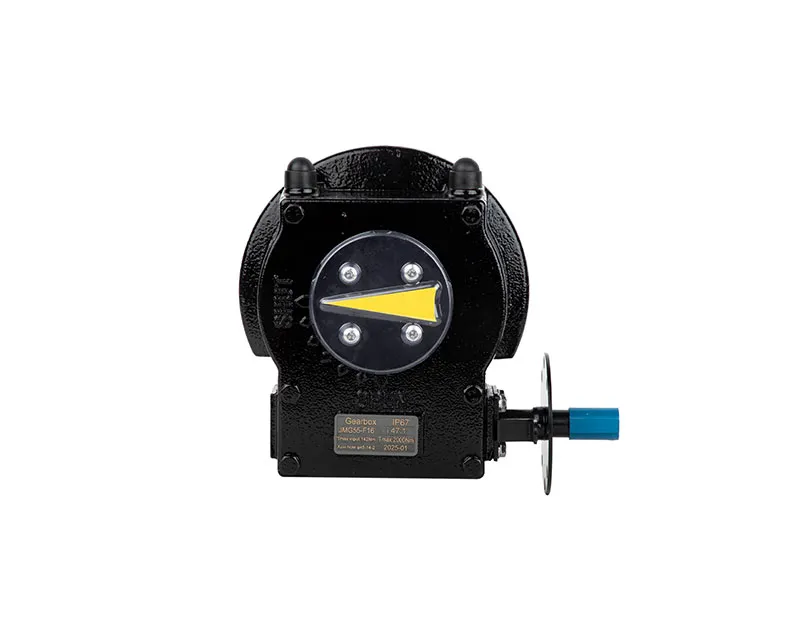
Detail the required machine dimensions, speed range, material properties, power supply (voltage/frequency), and environmental conditions (temperature, humidity, dust). Specify if you need explosion-proof components such as limit switch boxes for hazardous areas.
2. Validation and Testing Requirements
State if you require factory acceptance testing (FAT) or site acceptance testing (SAT). Include criteria for acceptable performance (e.g., sealing integrity, cycle time consistency). Define acceptable defect rates and measurement methods.
3. Delivery and Installation
Define lead time expectations, delivery terms (Incoterms), and support for installation and commissioning. Request a list of required utilities (compressed air, electrical connections).
4. Training and Documentation
Ask for operator and maintenance manuals, spare parts lists, and training options. Clarify availability of remote technical support.
5. Service and Warranty
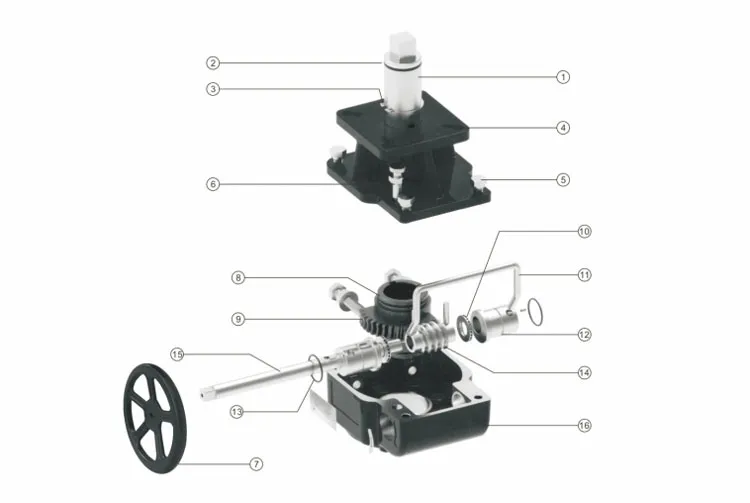
Warranty period, response times, and local service capabilities. Inquire about availability of critical spares like declutchable gearboxes for manual override.
6. Commercial Terms
Request payment milestones, pricing for spare parts, and conditions for changes or cancellations. Transparency helps avoid later disputes.
A structured RFQ not only helps you compare apples-to-apples but also signals to suppliers that you are a professional buyer, which can result in better pricing and terms.
What to Validate Before Purchase: Supplier Checks and Implementation Risks
Before placing an order, invest time in validating the supplier’s capability and your implementation plan. Common risk areas include:
- Supplier Financial Health: Request recent financial statements or use third-party credit reports. A stable supplier is more likely to honor warranties and provide long-term support.
- Manufacturing Quality: If possible, visit the factory or request a video tour. Check for ISO 9001 certification and see how components like bevel gearboxes are assembled.
- Reference Projects: Ask for references from similar industries. Contact a couple of customers to ask about reliability, responsiveness, and any issues encountered.
- Spare Parts Availability: Confirm lead times for critical spares such as limit switches, pneumatic actuators, or solenoid valves. A delay in replacing a $50 part can idle a $100,000 line.
- Integration Testing: If the machinery must interface with existing equipment, perform a compatibility test or request a sample of the control interface.
Also, review the supplier’s after-sales service infrastructure. Do they have local technicians? What is the typical response time? These factors directly impact your operational uptime.
Common Procurement Pitfalls and How to Avoid Them
Even experienced buyers can stumble. Here are four frequent mistakes and how to sidestep them:
Pitfall 1: Focusing Only on Price
Low upfront cost often leads to higher total cost due to frequent breakdowns, higher energy use, or difficult maintenance. Use total cost of ownership (TCO) models and include a contingency budget for unexpected integration work.
Pitfall 2: Ignoring Component Interchangeability
Packaging lines rely on dozens of actuators, sensors, and valves. If a supplier uses proprietary components, replacement costs can skyrocket. Prefer modular designs built on standard interfaces (e.g., VDI/VDE 3845 for limit switch boxes).
Pitfall 3: Underestimating Training Needs
New machinery often requires operators and maintenance staff to learn new software and procedures. Include training in the contract and budget for at least a week of on-site support after commissioning.
Pitfall 4: Overlooking Long-Term Support
Ensure the supplier commits to long-term spare parts availability and technical support. A supplier that discontinues components quickly can force costly retrofits.
By anticipating these issues, you can reduce project delays and operational hiccups.
Frequently Asked Questions (FAQ)
What is the typical lead time for packaging machinery?
Lead times vary widely depending on customization and supplier capacity. Standard machines may take 4–8 weeks, while heavily customized lines can require 12–20 weeks. Always confirm current lead times during the RFQ process and include penalty clauses for late delivery if critical.
How do I evaluate supplier reliability?
Start with certifications (ISO 9001, CE, ATEX if needed). Then request references, preferably from companies with similar production scale. Check online reviews or trade association reports. A site visit or video audit can reveal quality control practices.
What are the key components to specify in an RFQ for packaging machinery?
Beyond the machine itself, specify critical components such as pneumatic actuators, valve gearboxes, limit switch boxes, and positioners. For example, in high-speed sealing applications, an electro-pneumatic positioner can improve accuracy. For selection guidance on limit switches, refer to the actuator accessory product range.
Should I consider used or refurbished packaging machinery?
Used equipment can reduce upfront cost but often comes with higher maintenance risk. If considering used, ensure that spare parts are still available and that the supplier offers a warranty. A rule of thumb: if the technology has changed significantly (e.g., servo vs. pneumatic), new machinery may be more cost-effective over 3–5 years.
How important is a limit switch box in packaging machinery?
Limit switch boxes provide feedback on valve position, which is critical for controlling filling, sealing, and labeling operations. In high-speed lines, a fast-response limit switch box with a quick-set cam can reduce cycle time and improve accuracy. For selection criteria, explore the limit switch box technical resources.
Conclusion
Procuring packaging machinery is a significant investment that directly impacts production efficiency and product quality. By understanding where the machinery will be used, defining clear decision criteria, creating a thorough RFQ, and validating supplier capabilities before purchase, you can minimize risk and maximize return.
Start by reviewing your internal requirements and mapping them to industry best practices. Then engage with suppliers who demonstrate technical competence, financial stability, and a willingness to support your long-term operation. For further guidance on specific components—such as pneumatic actuators, gearboxes, and limit switch boxes—explore the Products pages and technical resources available from reputable suppliers.