APL-210N Limit Switch Box Procurement Guide

2026.07.17

Article Overview: This guide helps procurement managers and project engineers evaluate the APL-210N Limit Switch Box within the broader context of Valve Gearbox solutions. It covers cost-throughput-quality trade-offs, supplier evaluation criteria, procurement checkpoints, and common mistakes to avoid when preparing an RFQ. The APL-210N is a critical component for automated valve position feedback, and a structured approach ensures you select the right unit for your application.

Why Does the APL-210N Limit Switch Box Affect Cost, Throughput, and Quality?

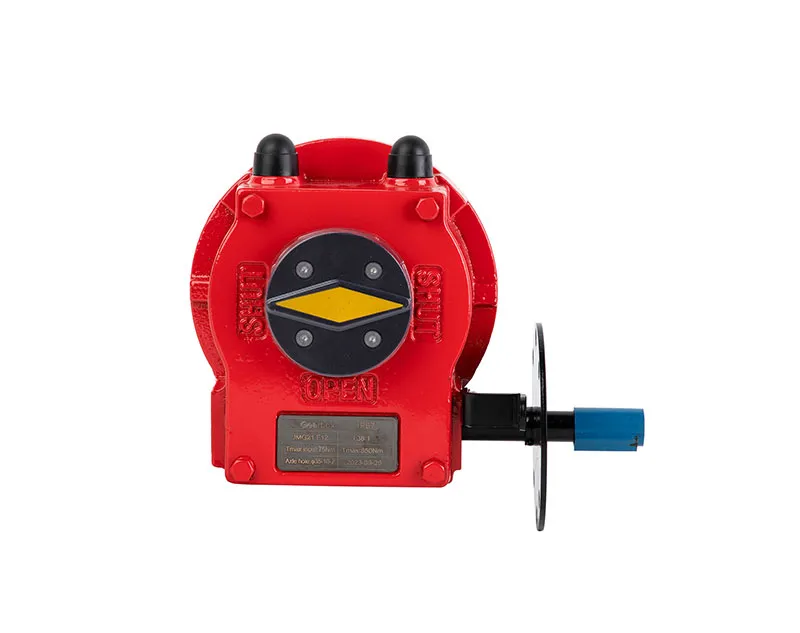
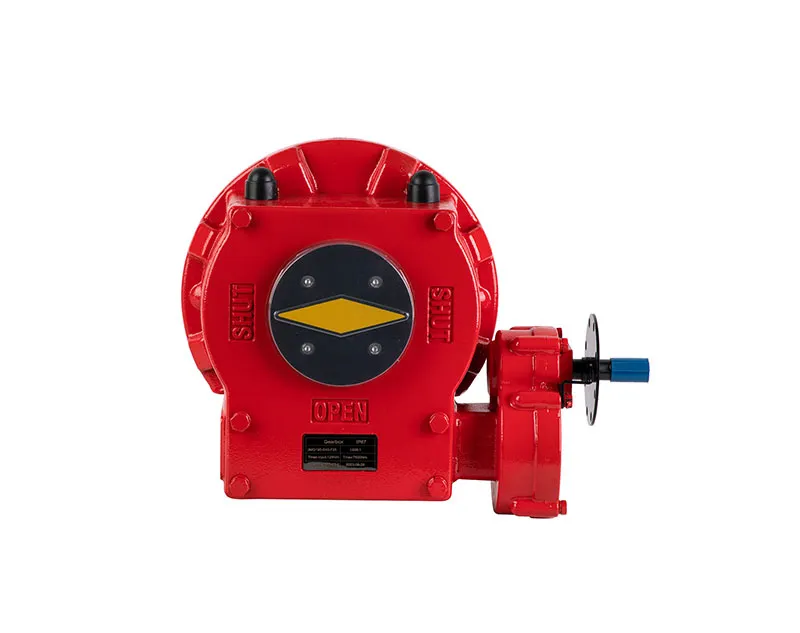
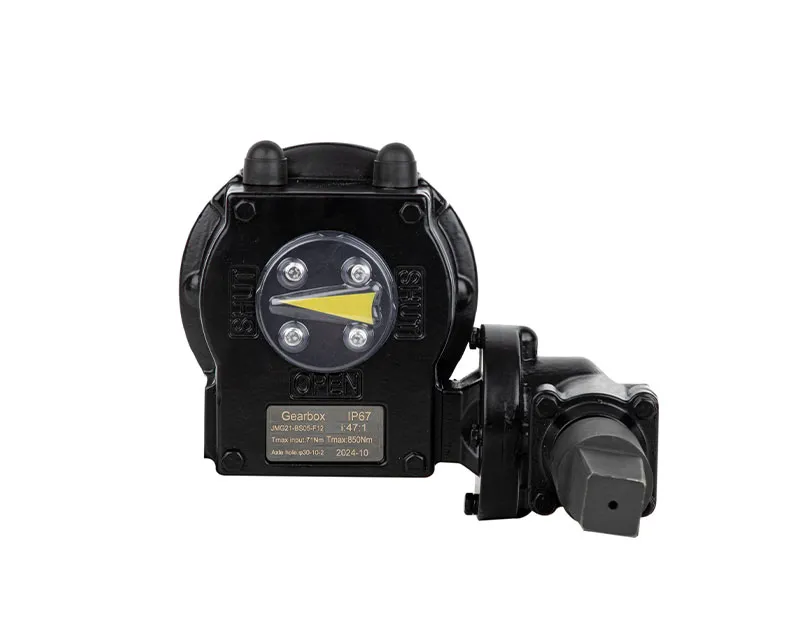
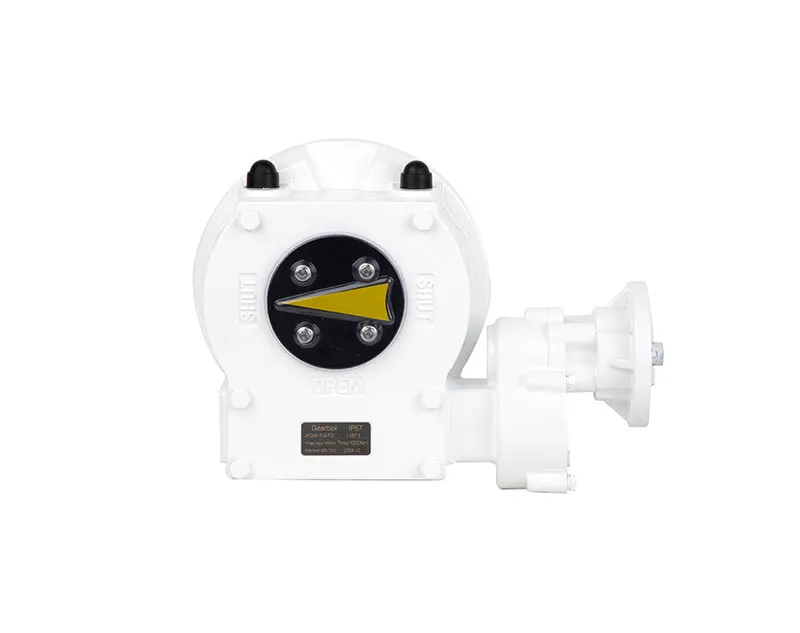
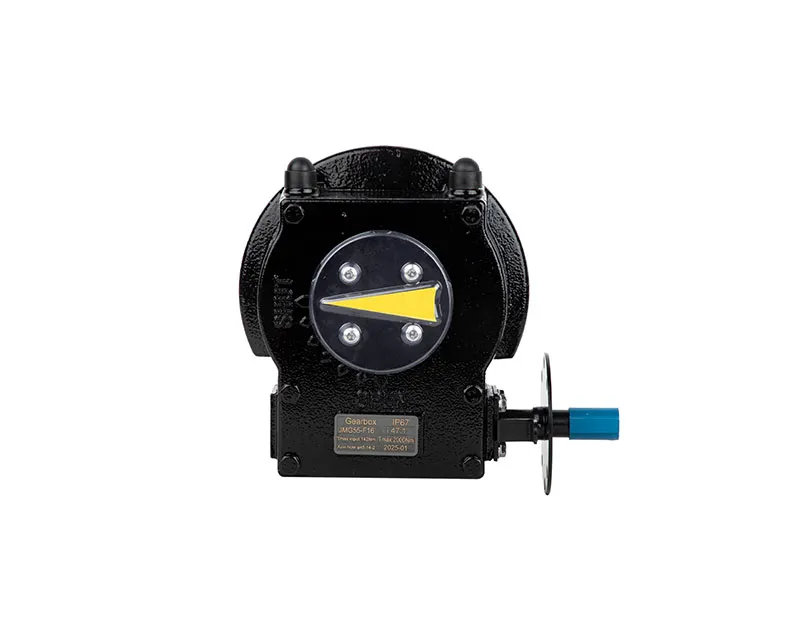
APL-210N Limit Switch Box illustration

The APL-210N Limit Switch Box provides visual position indication, quick-set cams, terminal strips, and easy-mount brackets for automated valve systems. Buyers often face pressure to minimize upfront cost while maintaining production throughput and long-term reliability. However, selecting a limit switch box solely on price can lead to higher total cost of ownership due to failures, recalibration, or compatibility issues with the Valve Gearbox. A balanced approach ensures that the APL-210N supports both short-term output and long-term operational quality.

When sourcing the APL-210N, consider how its mechanical and electrical specifications align with your valve actuator and Valve Gearbox configuration. For example, incorrect cam adjustment may cause signal delays that reduce throughput. Similarly, a lower-cost enclosure may not withstand harsh environments, leading to premature failure and unplanned downtime. The goal is to match the limit switch box performance to your process requirements without over-specifying.

How to Evaluate Supplier Fit for Your APL-210N Limit Switch Box Requirements?

Evaluating a supplier for the APL-210N Limit Switch Box involves more than comparing price lists. The following steps provide a structured approach to ensure supplier capability meets your technical and commercial needs.

Step 1: Define Technical Requirements

Document the enclosure rating (e.g., IP67), switch type (mechanical or proximity), cable entry size, and mounting interface compatibility with your Valve Gearbox. Include environmental factors such as temperature range and exposure to chemicals.

Step 2: Request Detailed Specifications and Certifications

Ask for datasheets, dimensional drawings, and test reports. Verify that the APL-210N meets industry standards (e.g., CE, RoHS). Request evidence of quality control processes, such as cam adjustment consistency and terminal strip reliability.

Step 3: Assess Production and Lead Time Capability

Inquire about manufacturing lead times, minimum order quantities, and the supplier's ability to scale. A supplier with flexible production can help balance throughput and inventory costs.

After completing these steps, compare the supplier's offerings against your evaluation criteria. A reliable supplier will provide clear communication about the APL-210N's integration with common Valve Gearbox models and offer support for customization if needed.

Key Procurement Checkpoints for the APL-210N Limit Switch Box

Before issuing an RFQ or placing an order, use the following checklist to reduce procurement risk.

  1. Interface Dimensions: Verify that the APL-210N mounting bracket matches the actuator shaft height and Valve Gearbox output flange dimensions. Mismatches can cause installation delays.
  2. Switch Configuration: Confirm the number of switches (typically 2 SPDT) and their electrical ratings (voltage/current). Ensure they are suitable for your control system.
  3. Cam Adjustment Range: Check if the quick-set cams allow fine-tuning within 0-90° rotation. This is critical for accurate valve position feedback.
  4. Terminal Strip Accessibility: Evaluate the wiring space and terminal layout to simplify installation and maintenance.
  5. Environmental Protection: Review the ingress protection (IP) rating and material corrosion resistance for the intended environment.

Phase: Pre-Shipment Validation

Request a factory acceptance test (FAT) or sample inspection to confirm that the APL-210N operates correctly with your Valve Gearbox assembly. This step helps avoid costly field modifications later.

Phase: Incoming Quality Check

When the APL-210N arrives, perform visual and functional checks: verify cam rotation, switch actuation, terminal continuity, and mounting fit. Document any deviations and communicate with the supplier immediately.

Common Mistakes in Valve Gearbox and Limit Switch Box Procurement

Procurement teams often encounter pitfalls that affect cost and performance. Below are frequent errors when sourcing the APL-210N Limit Switch Box and associated Valve Gearbox components.

  • Overlooking Compatibility: Assuming all limit switch boxes fit any Valve Gearbox. Always verify the shaft connection and mounting pattern for the APL-210N.
  • Ignoring Throughput Impact: Choosing a limit switch box with slow response times can reduce valve cycling speed and overall system throughput.
  • Underestimating Quality Variance: Low-cost units may have inconsistent cam adjustments, leading to false signals and unplanned downtime.
  • Not Planning for Scale: Failure to discuss lead times and volume pricing upfront can cause supply shortages during ramp-up.

To avoid these mistakes, cross-reference the APL-210N specifications with your existing Valve Gearbox system and request supplier references from similar applications. A well-prepared RFQ should include clear acceptance criteria for both cost and quality.

Frequently Asked Questions

What is the typical lifespan of the APL-210N Limit Switch Box?

The lifespan depends on operating conditions, but with proper installation and regular maintenance, the APL-210N can last several years in moderate industrial environments. Mechanical switches may require earlier replacement than proximity switches.

Can the APL-210N be used with any Valve Gearbox?

It is designed to fit most standard Valve Gearbox output shafts, but you should verify the shaft diameter, keyway, and mounting hole pattern. Consult the supplier for compatibility details before procurement.

How do I decide between mechanical and proximity switches in the APL-210N?

Mechanical switches are cost-effective and reliable for dry environments. Proximity switches offer non-contact sensing and longer life in dusty or humid conditions. The choice affects both initial cost and long-term throughput.

What documentation should I request from the supplier?

Request the product datasheet, dimensional drawing, wiring diagram, declaration of conformity, and any test reports (e.g., IP rating, switch endurance). This supports quality validation and simplifies future troubleshooting.

Conclusion: Making an Informed Decision for the APL-210N Limit Switch Box

Successful procurement of the APL-210N Limit Switch Box requires a deliberate balance of cost, throughput, and quality. By applying the evaluation steps, checkpoints, and awareness of common mistakes outlined in this guide, buyers can reduce the risk of integration issues and operational downtime. Always tailor your approach to the specific Valve Gearbox assembly and process requirements. Prepare a detailed RFQ that addresses interface compatibility, performance validation, and supplier quality systems. This structured method not only improves purchase outcomes but also supports long-term production efficiency.

Talk to Our Expert

CHAT NOW
Talk to Our Expert.
Captcha Code
GET IN TOUCH NOW
img

Quick Help: Contact one of our experts and we'll get back to you in 24 hours!

We value your privacy
We use cookies to provide you with a better online experience, analyse and measure website usage, and assist in our marketing efforts.
Accept All