APL-210N Limit Switch Box Comparison Guide

2026.07.18

Article Overview: Selecting the right limit switch box for your valve automation system requires careful evaluation of specifications, integration constraints, and operating environment. This article provides a neutral comparison framework focused on the APL-210N Limit Switch Box, helping procurement teams and technical architects assess fit, trade-offs, and decision checkpoints when upgrading or outfitting new Valve Gearbox solutions.

What Does the APL-210N Limit Switch Box Offer Compared to Standard Limit Switches?

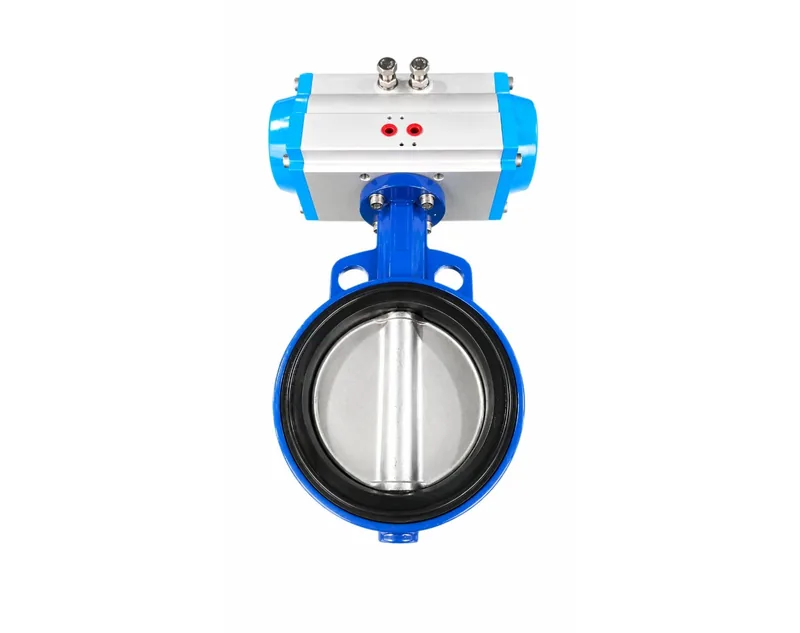
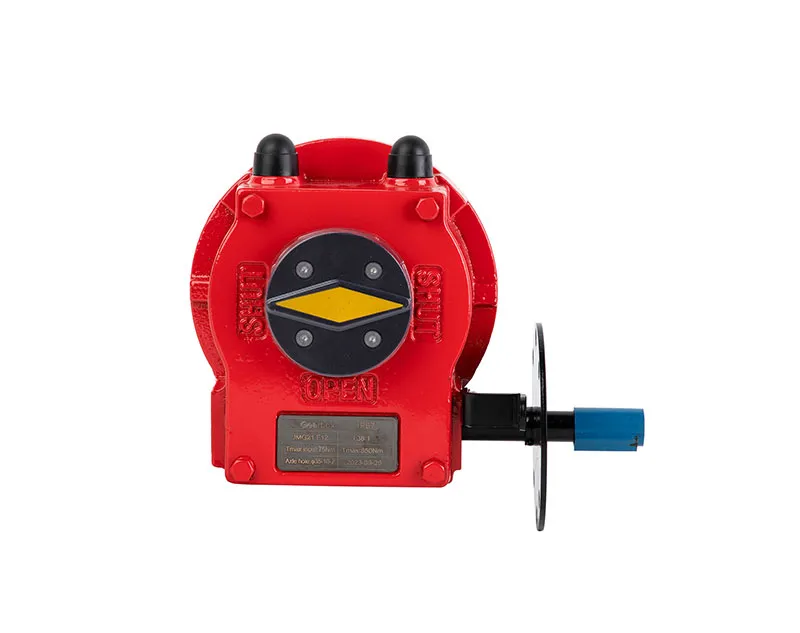
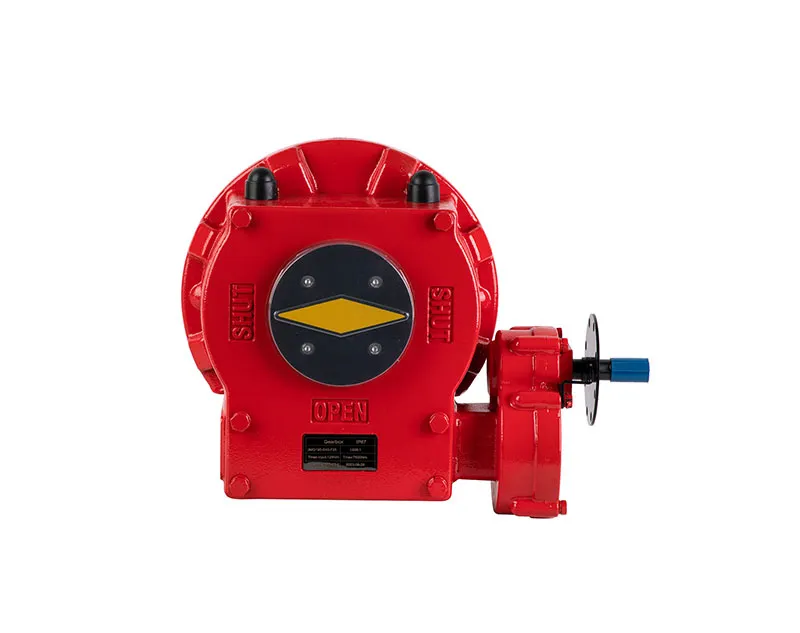
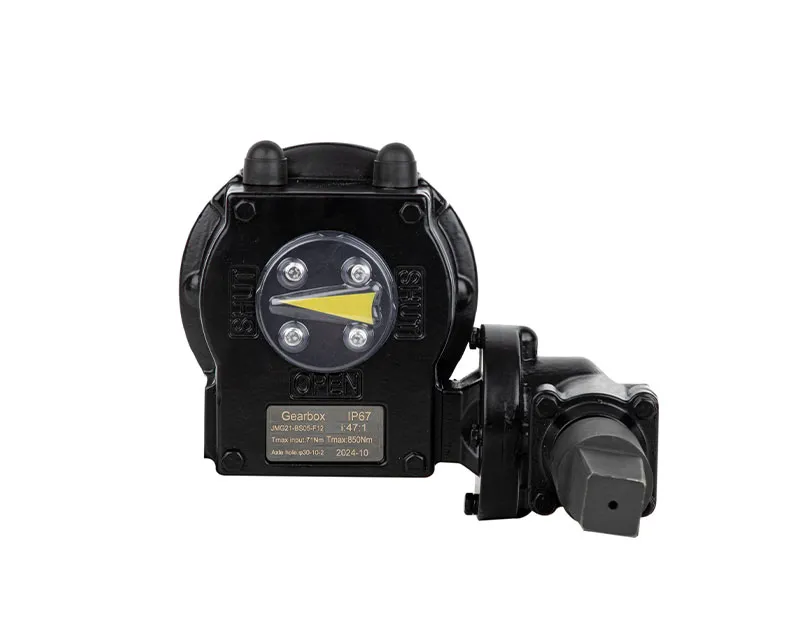
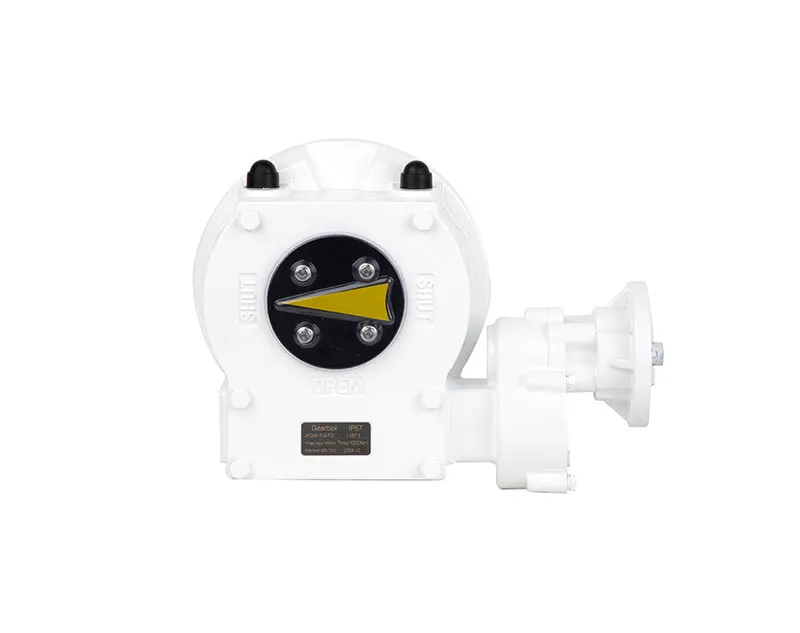
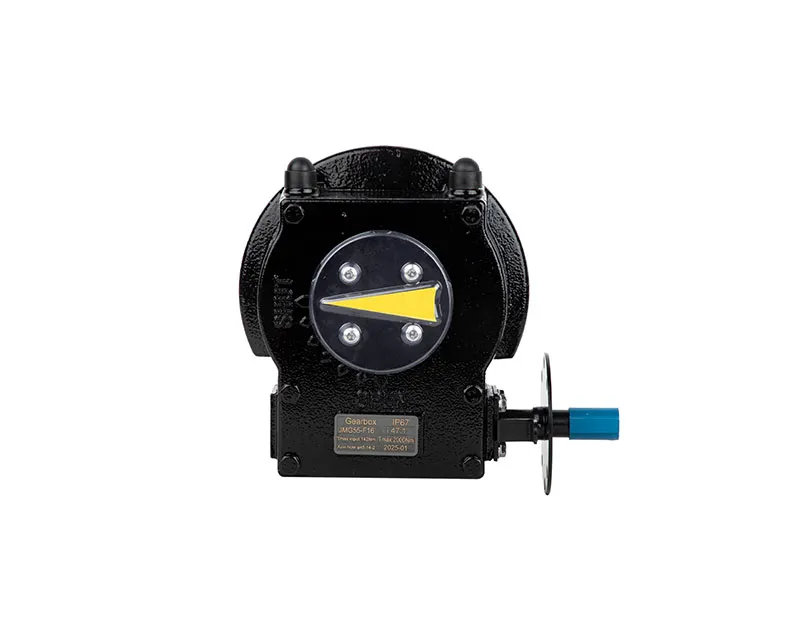
APL-210N Limit Switch Box illustration

The APL-210N Limit Switch Box includes several integrated features that distinguish it from basic limit switch assemblies. Its design combines a visual position indicator, a quick-set cam, a terminal strip, and an easy-to-mount bracket in a single enclosure. For buyers evaluating whether to specify the APL-210N versus a generic limit switch, the following comparison highlights the operational implications.

Feature and Integration Comparison

Option A: APL-210N Limit Switch Box – Offers a pre-assembled unit with a transparent cover for visual indication of valve position, reducing the need for separate sight glasses. The quick-set cam allows fast adjustment of switch actuation points, which can minimize downtime during commissioning. The terminal strip simplifies wiring, and the bracket is designed for direct mounting to common Valve Gearbox flanges.

Option B: Standard Limit Switch (assembled from separate components) – Typically requires sourcing a switch, cam assembly, terminal block, and enclosure individually. While component-level flexibility exists, installation time increases, and alignment tolerances may introduce signal errors. Visual indication may require an add-on indicator.

Buyer note: Consider total installed cost and calibration time. The APL-210N’s integrated design can reduce procurement complexity, but if your application demands custom switch types (e.g., hermetically sealed contacts), verify compatibility with the quick-set cam layout.

How Does the APL-210N Limit Switch Box Integrate with Valve Gearbox Systems?

Integration with a Valve Gearbox is a common requirement for quarter-turn valve control. The APL-210N Limit Switch Box is engineered for such use cases, but engineers should evaluate the mechanical interface and signal compatibility before specifying. The following flow outlines a typical integration assessment.

Step 1: Verify Mounting Interface

Check the gearbox output shaft dimensions and bolt pattern. The APL-210N bracket is designed for standard 30×80 mm face but may need adapters for non-standard flanges. Measure shaft height to ensure the indicator arm aligns with the cam.

Step 2: Assess Electrical Ratings

The APL-210N typically supports dry contacts rated up to 250 VAC / 30 VDC. Compare with your PLC or DCS input requirements. If your system uses higher voltage or requires intrinsically safe circuits, the APL-210N may not be suitable without additional barriers.

Step 3: Confirm Environmental Protection

The APL-210N enclosure offers IP67 protection, suitable for dusty or wash-down environments but not for continuous submersion. For explosive atmospheres, consider the ITS-300 Explosion-proof Limit Switch Box, which carries Exd IICT6 certification.

Key Specification Comparison: APL-210N vs. ITS-300 Explosion-Proof Limit Switch Box

When the operating environment demands explosion-proof protection, the APL-210N may not meet ATEX/IECEx requirements. The ITS-300 series from JIMAI is a direct alternative. Below is a neutral side-by-side comparison of critical parameters, based on published product data.

Limit switch box specification comparison (APL-210N vs. ITS-300)
CriterionAPL-210N Limit Switch BoxITS-300 Explosion-proof Limit Switch Box
Explosion-proof ratingNone (general purpose)Exd IICT6 (gas, dust)
Enclosure materialEngineered polymerAluminum alloy (LM6) with SS304 screws
Ingress protectionIP67IP67 (typical)
Cam typeQuick-set, adjustableTool-set, adjustable
Visual indicatorBuilt-in (transparent cover)Built-in (transparent cover)
Terminal stripIntegratedIntegrated
Mounting pattern30×80 mm (standard)30×80 mm (standard)

The table above shows that while both units share similar mounting and terminal features, the ITS-300 adds explosion-proof certification and a metal housing. For clean, non-hazardous environments, the APL-210N offers comparable functionality at a lower weight.

Decision Framework: Which Box for Your Valve Gearbox Application?

Option A (APL-210N): Best suited for general industrial, food processing, water treatment, and similar non-hazardous areas where IP67 is adequate. Its polymer enclosure resists corrosion but may not survive mechanical impact in heavy-duty environments.

Option B (ITS-300): Required for oil & gas, chemical plants, and mining operations where explosive gases or dusts are present. The metal housing and Exd certification are mandatory for regulatory compliance.

Buyer note: Some procurement teams standardize on explosion-proof boxes across all sites to simplify spares management. Evaluate whether the incremental cost of the ITS-300 is justified for your non-hazardous zones.

Buyer's Checklist: Verifying Compatibility and Performance

Before specifying the APL-210N Limit Switch Box for your Valve Gearbox installation, use the following checklist to validate fit.

  • Mechanical interface: Confirm the gearbox output shaft diameter (typically 12 mm or 14 mm) and keyway size. The APL-210N bracket may include a coupling that matches standard sizes; verify if an adapter is needed.
  • Switch configuration: Determine number of independent switches required (APL-210N can house up to 2 SPDT microswitches). If your valve control logic uses 3-wire proximity sensors, the APL-210N is not designed for inductive sensors.
  • Wiring termination: The terminal strip accepts up to 1.5 mm² wire; if your cable uses larger conductors, plan for junction box transition.
  • Ambient temperature: The standard APL-210N operates between -20°C to +80°C. For extreme cold or heat, consult factory for limits.
  • Certification requirements: The APL-210N carries CE marking. For SIL-rated systems, verify if the switch’s failure mode meets your safety integrity level.

FAQ

Is the APL-210N Limit Switch Box compatible with all Valve Gearbox brands?

The APL-210N uses a standard 30×80 mm mounting pattern common to many quarter-turn gearboxes, but compatibility depends on the specific gearbox model. Validate the flange dimensions and shaft height before ordering. Example: JIMAI’s JMG series rotary gearbox matches directly; other manufacturers may need an adapter plate.

Can the APL-210N be retrofitted onto existing valve installations?

Yes, if the existing gearbox has the standard mounting interface and shaft dimensions. The bracket includes slotted holes for minor alignment adjustments. For older gearboxes with non-standard patterns, a custom bracket may be required.

What is the typical lifespan of the APL-210N mechanical components?

The quick-set cam and microswitches are rated for 1 million mechanical operations under normal load. The transparent cover may discolor over time in UV-exposed outdoor installations; use a UV-stable variant if available.

How does the APL-210N compare in cost to a modular limit switch assembly?

Total cost depends on labor for assembly and wiring. The APL-210N’s integrated design reduces installation time by an estimated 30-50% compared to sourcing and assembling discrete components, but the unit price is typically higher. For low-volume projects, modular parts may be cheaper.

Conclusion: Making an Informed APL-210N Limit Switch Box Decision

Evaluating the APL-210N Limit Switch Box against other options involves balancing integration ease, environmental suitability, and certification needs. This comparison has highlighted the APL-210N’s strengths in non-hazardous, standard-duty valve applications, particularly when integrated with modern Valve Gearbox solutions. For explosive environments or extreme duty cycles, the ITS-300 or other rated units should be considered. By following the evaluation framework and checklist, buyers can align their selection with both technical requirements and long-term operational costs.

Related site pages: Valve Gearbox, Home.

Talk to Our Expert

CHAT NOW
Talk to Our Expert.
Captcha Code
GET IN TOUCH NOW
img

Quick Help: Contact one of our experts and we'll get back to you in 24 hours!

We value your privacy
We use cookies to provide you with a better online experience, analyse and measure website usage, and assist in our marketing efforts.
Accept All