Packaging Machinery Buyer's Guide: How to Evaluate Suppliers and Prepare Your RFQ
For procurement managers, sourcing teams, and project engineers, investing in packaging machinery is a high-stakes decision. The right equipment can streamline operations, reduce downtime, and ensure consistent product quality. The wrong choice—or the wrong supplier—can lead to costly delays, integration failures, and hidden expenses that erode ROI. This guide provides a practical, step-by-step framework to help you evaluate packaging machinery suppliers, prepare a robust RFQ, and avoid common procurement pitfalls. Whether you are automating a new line or upgrading existing equipment, following these checkpoints will equip you for a successful purchase.
Key Considerations Before Sourcing Packaging Machinery
Before contacting suppliers, you must define your operational requirements. Packaging machinery covers a broad range of equipment—filling, sealing, labeling, wrapping, and more—each with specific performance parameters. Start by documenting your production needs:
- Package type and material: Are you handling rigid containers, flexible pouches, cartons, or bottles? The machine design and component materials (e.g., stainless steel for food contact) will vary accordingly.
- Speed and throughput: Specify target cycles per minute or units per hour. Over-specifying can inflate costs, while under-specifying risks bottlenecks.
- Changeover flexibility: If you run multiple SKUs, evaluate how quickly the machine can switch between formats. Quick-change tooling and servo-driven adjustments add cost but reduce downtime.
- Regulatory and compliance standards: For industries like food, pharmaceuticals, or cosmetics, machinery must meet FDA, CE, or other certifications. Verify that the supplier’s offerings align with your market’s requirements.
- Integration with existing lines: Assess connectivity (e.g., PLC protocols, conveyor interfaces) and physical footprint. A machine that requires extensive rework of your layout may drive hidden costs.
Creating a detailed specifications document not only clarifies your needs but also enables suppliers to provide accurate, comparable proposals. Use this as the foundation for your RFQ.
How to Evaluate Packaging Machinery Suppliers
Not all packaging machinery suppliers are equal. A low initial price can be overshadowed by poor support, long lead times, or reliability issues. Use the following criteria to assess potential partners:
Technical Capability and Product Range
Does the supplier offer a machine that matches your exact application? Request case studies or references from similar industries. Ask about customization capabilities—standard machines are cheaper but may require compromises.
Certifications and Quality Systems
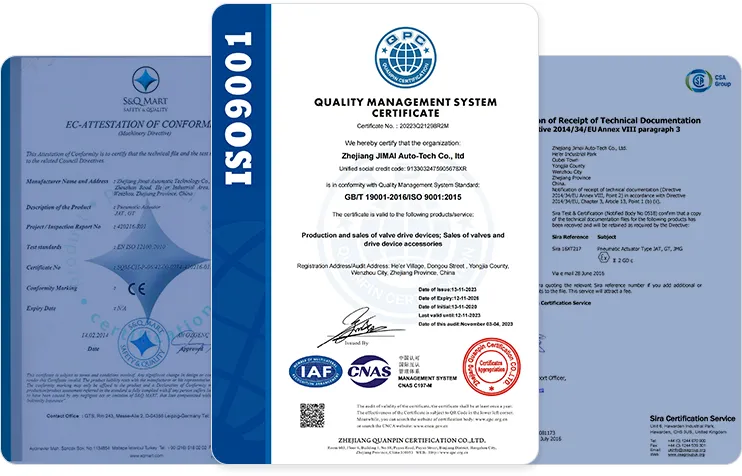
Reputable suppliers hold certifications such as ISO 9001 (quality management) or industry-specific ones like CE marking. For example, a supplier with a certified quality management system demonstrates a commitment to consistent manufacturing standards. Request copies of relevant certificates during evaluation—look for evidence of third-party audits.
Lead Time and Production Capacity
Inquire about typical lead times for your target machine. If you have a tight project schedule, confirm the supplier’s current order backlog and ability to meet deadlines. Consider asking about MOQ (minimum order quantity) and whether they stock common spare parts.
After-Sales Support and Warranty
Packaging machinery requires ongoing maintenance and occasional troubleshooting. Evaluate the supplier’s service network—do they offer remote support, onsite installation, and training? What is the warranty period, and what does it cover? A longer warranty may indicate confidence in the equipment’s durability.
Financial Stability and Reputation
Review the supplier’s history, customer testimonials, and any recent legal or financial issues. A financially unstable supplier may not be around to honor warranties or supply spare parts.
By scoring each candidate against these criteria, you can create an objective shortlist for RFQ submission.

Building an Effective RFQ for Packaging Machinery
A well-structured RFQ (Request for Quotation) elicits comparable bids and reduces ambiguity. Include the following elements:
- Detailed specifications: Attach your requirements document, including dimensions, materials, speed, control system, and environmental conditions.
- Scope of supply: Clarify what is included—machine, installation, training, documentation, and any auxiliary equipment (e.g., conveyors, sensors).
- Commercial terms: Ask for pricing breakdown (unit price, shipping, customs), payment terms, and delivery schedule (Incoterms).
- Compliance requirements: List mandatory certifications and any testing or validation needed.
- Service and warranty: Request warranty terms, uptime guarantees, and after-sales support details.
- Evaluation criteria: State how you will compare bids—price, lead time, technical compliance, service. This encourages suppliers to submit their best offer.
Send the RFQ to at least three qualified suppliers to ensure competitive pricing. Set a clear deadline and request clarification on any ambiguous points before final submission.
Common Procurement Pitfalls and How to Avoid Them
Even with thorough preparation, procurement mistakes can occur. Here are typical pitfalls in packaging machinery purchases:
Underestimating Total Cost of Ownership (TCO)
The purchase price is only part of the picture. Consider installation costs, training, consumables (e.g., sealing films, labels), maintenance, and energy consumption. A slightly more expensive machine with lower operating costs may be more economical over five years.
Ignoring Integration Complexity
Packaging machinery rarely operates in isolation. Ensure the new equipment communicates seamlessly with upstream and downstream processes. For example, a high-speed filling machine may require a buffer conveyor to match a slower sealer. Discuss integration with the supplier and request a site survey.
Overlooking Spare Parts Availability
Downtime is expensive. Verify that critical spare parts are readily available from the supplier or local distributors. Some suppliers use proprietary components that may have long replenishment lead times. Ask about component sourcing and whether they use standard industrial parts.
Neglecting Training and Documentation
Operators and maintenance staff need proper training. Inadequate training leads to misuse, increased breakdowns, and safety risks. Include training in the contract and confirm the format (on-site, virtual, manuals).
By anticipating these issues, you can address them in the RFQ and contract negotiation phases.
Frequently Asked Questions (FAQ)
What is the typical lead time for packaging machinery?
Lead times vary widely based on complexity and supplier workload. Standard machines may ship in 4–8 weeks; custom solutions can take 12–20 weeks or more. Always confirm the lead time in writing before placing an order.
What are common minimum order quantities (MOQ) for packaging machinery?
Many suppliers require an MOQ of one machine, but some may have higher MOQs for specialized or customized equipment. Ask upfront to avoid surprises.
How important are certifications like CE or FDA for packaging machinery?
Certifications are critical if the machinery will be used in regulated industries or sold into markets that require them. They validate safety and compliance. Even if not mandatory, they indicate a supplier’s commitment to quality.
Should I prioritize price or after-sales support?
Both matter, but support often has a greater impact on long-term total cost. A slightly more expensive machine with strong local support and quick spare parts availability can prevent expensive downtime. Evaluate total cost of ownership rather than upfront price alone.
Can a supplier provide references from similar industries?
Yes, reputable suppliers should be willing to share case studies or contact information for existing customers. Use these references to validate performance and reliability.
Conclusion
Purchasing packaging machinery is a strategic investment that requires careful supplier evaluation and diligent RFQ preparation. By defining your technical requirements, vetting suppliers against proven criteria, and structuring a clear RFQ, you minimize risk and set the stage for a successful installation. Remember to look beyond the purchase price—consider total cost of ownership, integration, and after-sales support. Use the checkpoints in this guide to build a transparent, competitive procurement process. For further reading, explore supplier resources such as certification documentation and technical specifications available on reputable industry platforms. Start your evaluation today to secure machinery that delivers long-term value for your operation.